tiny happy

making journal

  • Tea

    Ginger

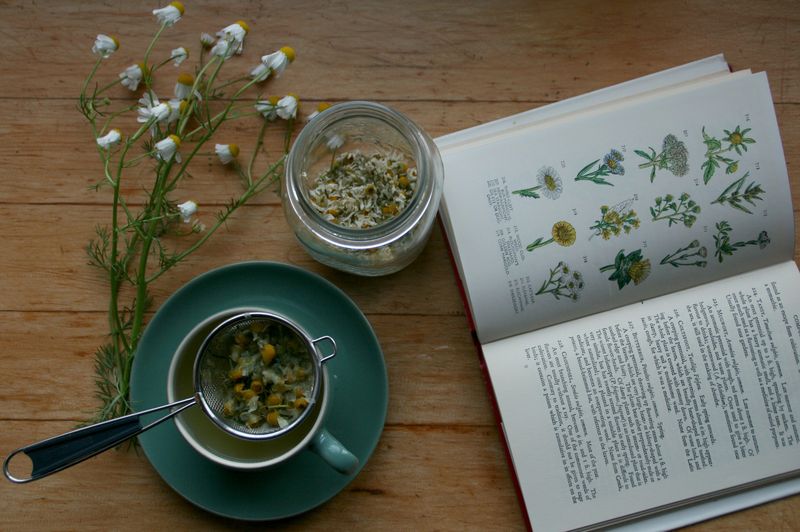
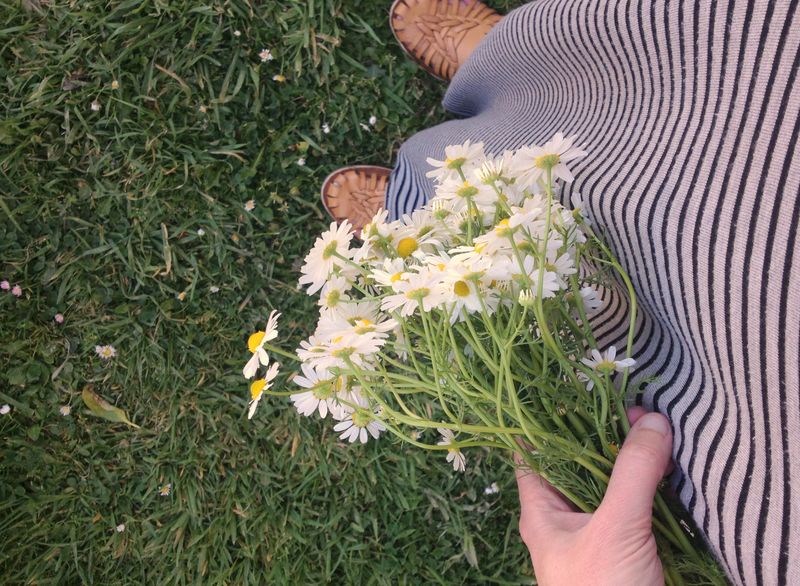
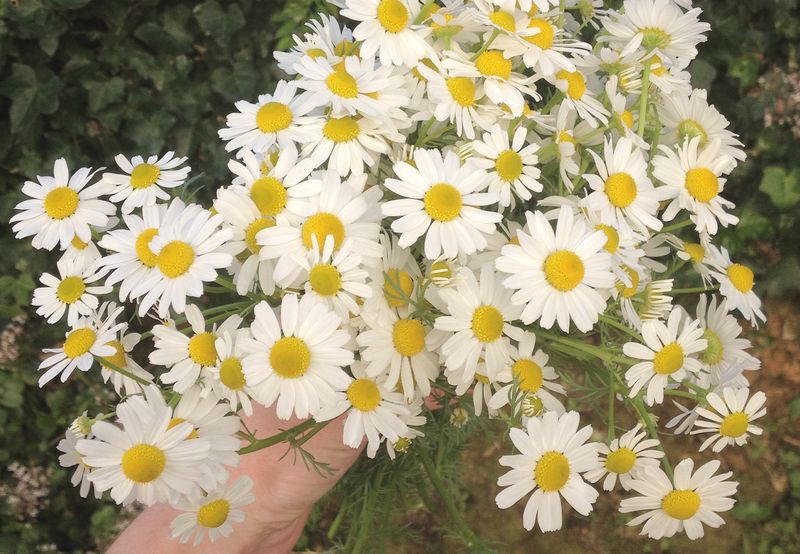
    Remember that chamomile tea I was talking about a week or two ago? It's really nice. I recommend making your own- it has a witchy kind of feel about it, and the flowers look beautiful in the sunlight.

    I dried a big bunch of washed flowers upside-down for about ten days, then snipped off the stalks and put inside a jar. To brew, I use a coffee-scoopful of flower heads in a teapot with boiling water, then strain into cups.

    The tea is also really nice made with fresh flowers. The main reason I like to dry them first is to give any tiny bugs a chance to crawl out while the plants are drying. My chamomile plant is so bountiful, I think I'm going to start giving bags of dried flowers away to tea-drinking friends.

    This week the kids' school is holding their annual 'market night' event and I'm planning some baking for the cake stall, among other things (Friday night at Kilbirnie School, Wellingtonians!)

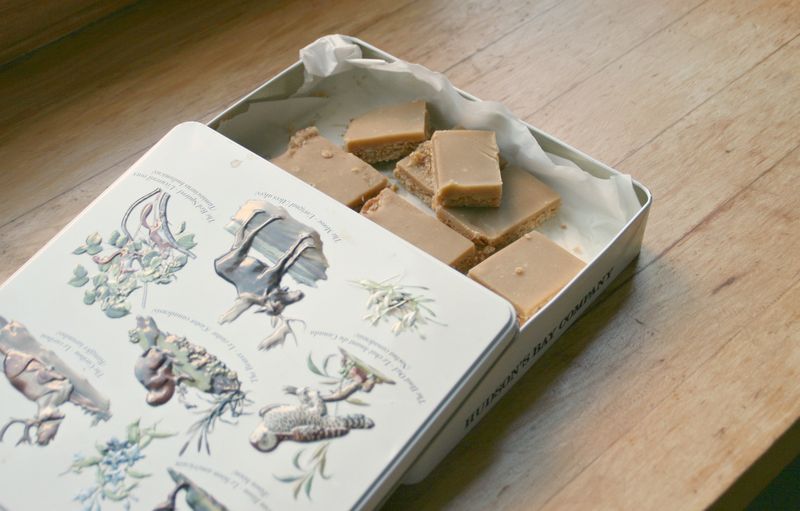
    I was thinking along the lines of 'ginger slice' when I saw this recipe on FB: oaty ginger slice. It's very easy, and very delicious – probably not something to eat every day, but a winner for the cake stall, I'd say! Of course, I had to give it a test-run (and taste) last night…

  • Bag

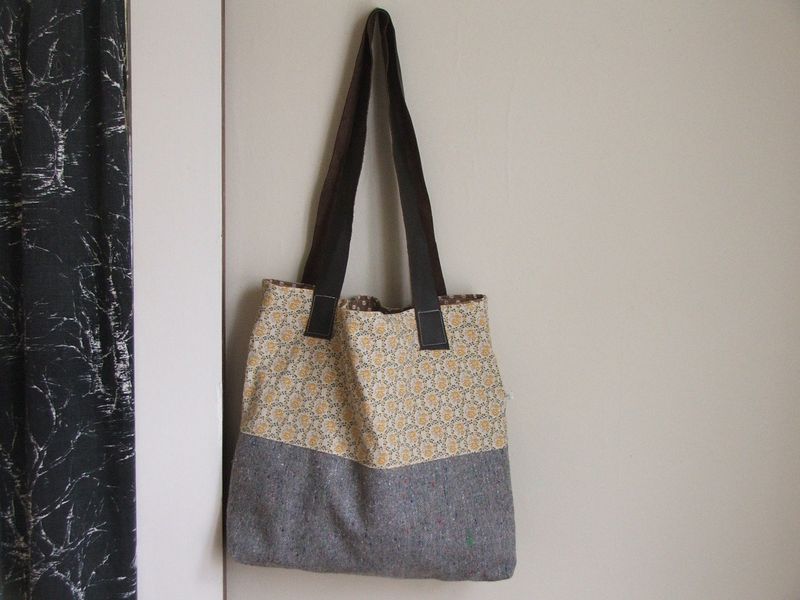
    Here is my favourite way to make a tote bag. I thought it would be useful to share my 'recipe' here, in case you're thinking about making gifts for friends or yourself.

    The design allows you to showcase your favourite small-ish pieces of fabric and have fun coordinating with other pieces you might have lying around. As always, I like to get creative and recycle textiles: the bag above is made from hand-printed Indian cotton (the yellow), recycled wool fabric from an old coat (the grey), fine cotton lining (from a vintage bed sheet) with recycled leather handles.

    Of course, you could use any woven fabric you like. My tip is to use something sturdier for the bottom panel (for strength, and because it gets knocked around more) and something lightweight for the lining.

    Materials:

    -small amounts of your favourite vintage fabrics- I use 2 different pieces for the bag outer

    – lightweight cotton for lining

    – piece of recycled leather (or you could use an old belt)- 2 strips measuring about 27” long

    – iron-on interfacing

    -sewing machine, pins, scissors, thread, iron, paper and pencil

    Make your paper pattern:

    Using pencil and paper, make up your pattern for ease of fabric cutting, and so that you can more bags quickly later.

    With a ruler, draw a pattern for the top bag panel that measures 43 cms wide and 21 cms tall. Slightly taper in the side edges so that the top panel edge measures 40cms wide.

    Make the bottom panel pattern by drawing a rectangle measuring 43cms wide (along the top), 21cms tall and 45cms along the bottom edge (the sides will slightly taper inwards like they did with the top panel.)

    To make an optional patch pocket pattern (to be sewn onto the lining), draw a rectangle measuring 10cms tall X 15cms across.

    Cutting:

    Make sure your fabric is washed and ironed. Using the top panel pattern, cut out 2 pieces from your first choice of bag fabric. Using the other bag fabric, cut out 2 bottom panels. You will cut out your lining pieces after you have constructed the bag outer.

    Construction:

    1. Take one upper panel and one bottom panel. Match up the edges that are the same width, and with right sides facing, sew these panels together. Press seam towards the top of the bag and topstitch to hold it in place. Repeat with the other two panels.

    2. Lay your finished bag outers onto the interfacing and cut around them. Apply interfacing to the wrong side of both pieces. With right sides facing, sew along the bottom and sides of the 2 bag pieces, taking care to match up the panel seams.

    3. Fold lining fabric in half, right sides together. Lay the finished bag outer, turned inside out, over your lining fabric and cut around it, to create your lining pieces. Sew these together down the sides and along the base.

    4. Pinch out a small corner in the outer bag base, so you have a flat triangle. Sew across this seam to give your bag some depth. Trim excess. Repeat with other base corner, and the two lining base corners.

    5. Ensure that your bag outer is right-side out. Turn the bag lining inside-out. Place the bag outer inside the lining and pin all around the top edges, making sure that the side seams match. Leave a small gap of about 10cms and mark your gap with pins. Stitch around this top seam and turn the bag inside out through the gap you left.

    6. Press finished bag well. Position your leather straps where you’d like them to sit and pin or tape them into place. Carefully stitch a square with a cross in the middle of it where your leather straps meet the top of the bag. You will have to use a sharp machine needle and slow stitches to do so. Trim all loose threads.

    – – – – – – – – – – – – – – – – –

    Variations:

    – You could add a pocket to the lining, before sewing the bag together.

    – You could make the bag outer from one single fabric, rather than panels of complementary fabric.

    – You could make the straps from fabric instead, and insert them in at step 4 (just leave the strap ends poking out at the top before sewing the top seam), or perhaps you could use cotton twill tape or webbing.

    – If you use very sturdy fabric for your bag outer, you can skip the interfacing.

    – You can change the dimensions to make different sorts of bags. Another size I like is the ‘big beach bag’ which I make in the summer for the whole family’s beach needs, etc. I cut 2 panels for the front measuring 40cms square, side panels which measure 40cms x 10cms, and leather handles measuring 66cms long and 5cms wide.

    – – – – – – – – – – – – – – – – –

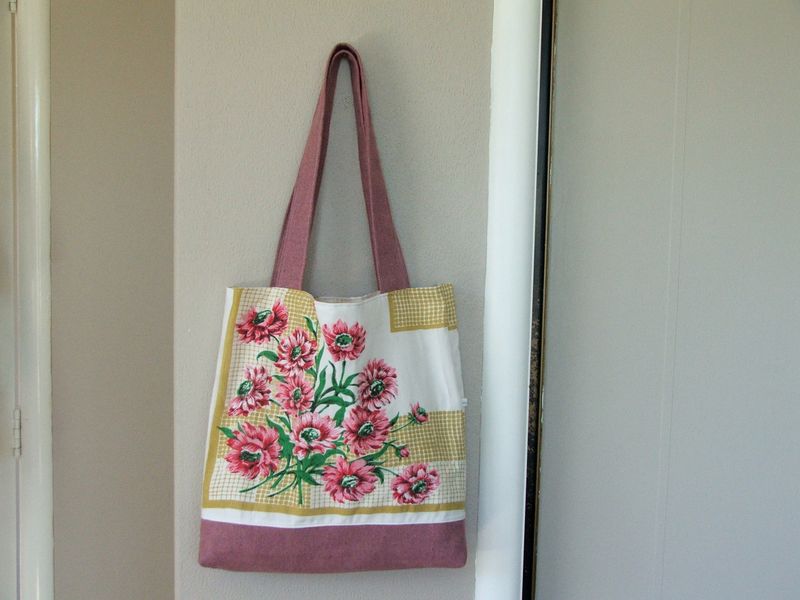
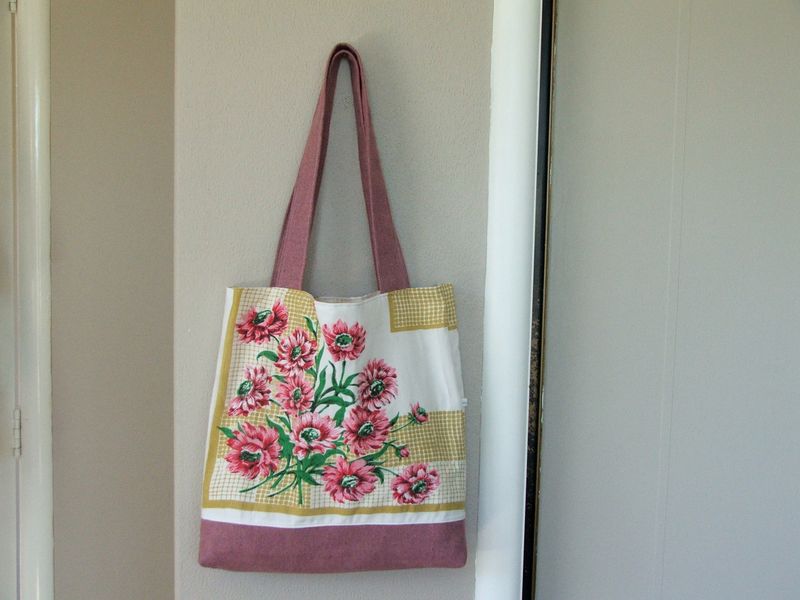
    Here's another version of this bag- for this I adjusted the panel dimensions to fit the fabric I wanted to use (vintage tablecloth + wool fabric in a rosy pink.)

    DSCF1383

  • IMG_1893

    DSCF1383

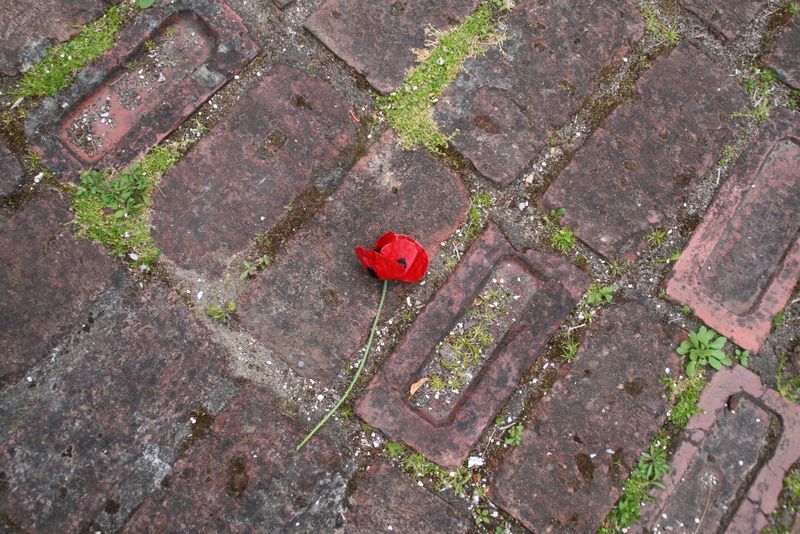
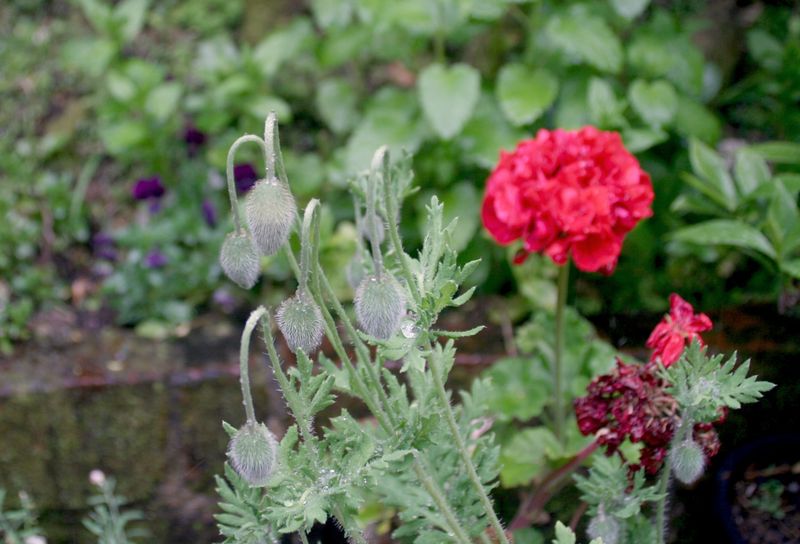
    I found a glossy 'ladybug' poppy in the garden today. A beauty! I didn't know what sort of poppies I'd planted, back in the winter, as they were just a sprinkling of seeds in an unmarked envelope. Love the ladybug variety.

    I've been thinking about making a few Christmas presents (I usually make a few, buy a few) and I remembered the bag shown above, made a few years ago. The great thing about this design is that it uses small pieces of fabrics you might have lying around. It's also a nice way to showcase a special piece you've been saving.

    I'm just making final checks and will publish the pattern (dimensions/instructions really) tomorrow.

    This evening I came across a beautiful poem shared by Megan. With her permission, I share it here. It's called 'Next Time', by William Stafford.

    + + + + + + + + + + + + + + + + + + + + + + 

    Next time what I’d do is look at
    the earth before saying anything. I’d stop
    just before going into a house
    and be an emperor for a minute
    and listen better to the wind
    or to the air being still.

    When anyone talked to me, whether
    blame or praise or just passing time,
    I’d watch the face, how the mouth
    had to work, and see any strain, any
    sign of what lifted the voice.

    And for all, I’d know more — the earth
    bracing itself and soaring, the air
    finding every leaf and feather over
    forest and water, and for every person
    the body glowing inside the clothes
    like a light.

    + + + + + + + + + + + + + + + + + + + + + + 

  • Scout

    Scout 1

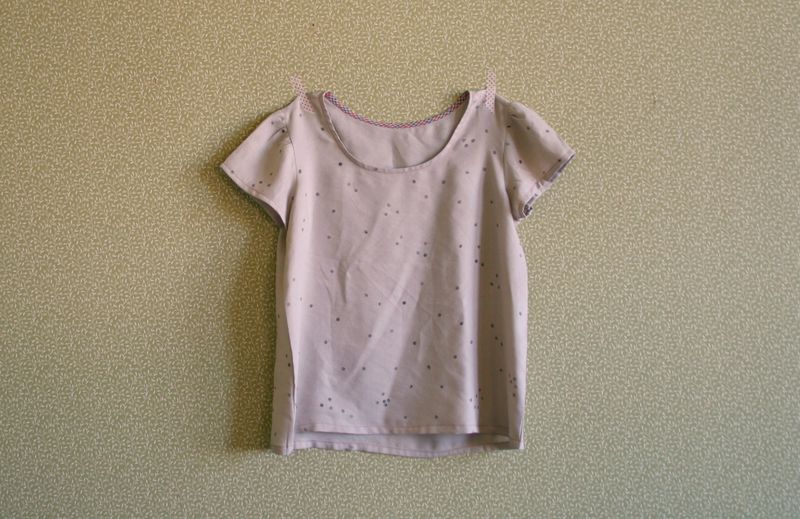
    I made this top using the Scout Tee pattern. It's such a well-loved design all over the making-world, and as usual I am late to the party but I am so glad to have the pattern now! I will be making many more, I can just tell.

    At The Craft Sessions this year, Sophie taught a class to make these, and the resulting garments were so beautiful, I knew I had to get cutting and sewing as soon as possible.

    I used a drapey, natural-coloured linen and printed it with random dots (using an eraser from the end of a pencil) and dark grey fabric ink. Can you tell that I was impatient to make it up and hadn't gone fabric shopping?

    One of the nicest things about this pattern is the lovely scoop-neckline and its bias trim facing, and I used an orange checked fabric for this (and orange stitching throughout to match though it's impossible to tell from this photo, sorry.) The fit of the top is really lovely- nice and loose where I like it to be and the perfect length (not too short which is usually the way with shop-bought clothes, I find.)

    If you're interested in making this garment, you should read this new blog post by Felicia which includes modifications, fabric details, tips, etc. 

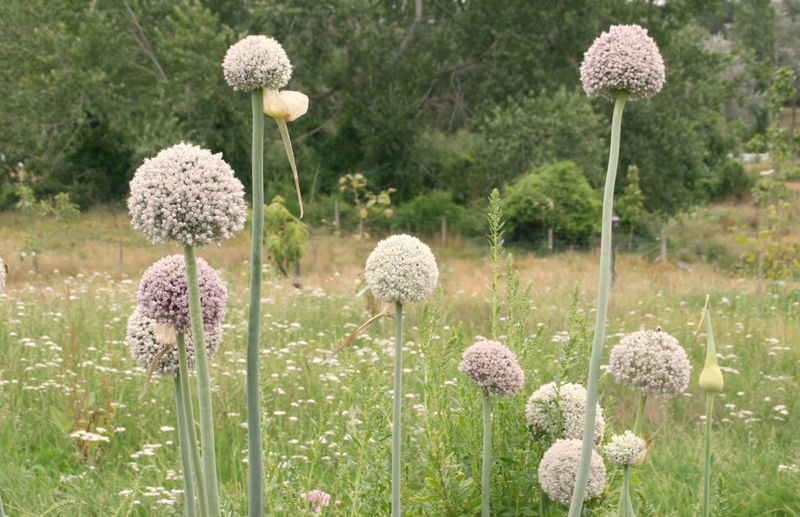
    The first photo above was taken last summer in my sister's garden. She let her onion plants go to seed and flower and they'd grown nearly as tall as us. 

  • Poppies 1

    Poppies 3
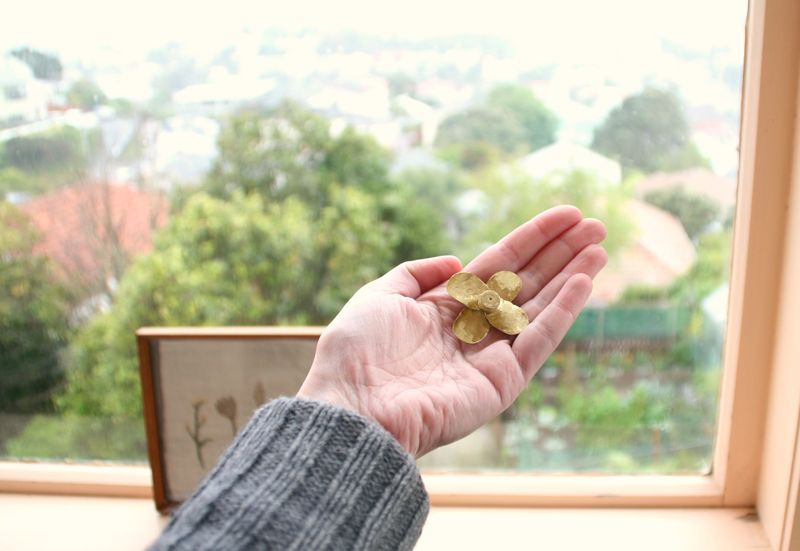
    In sync with the poppies in the garden (ready to pop, any day now), I received this beautiful brass poppy pin in the mail, from photographer Martin de Ruyter (last year he sent me this little spitfire which travels with me on my winter coat.)

    This poppy brooch is made from spent brass bullet shells, and it's constructed using tools passed down to Martin from his grandfather and great-grandfather. More of these brass poppies formed a piece he made this year for the World of Wearable Art event, 2014.

    If you feel like reading something very lovely, click here for a story about how chickens are changing the lives of a group of elderly people in Newcastle, UK. 'They were all hugging each other as the eggs hatched – it was genuinely emotional…'

  • Yellow 1

    Yellow 2

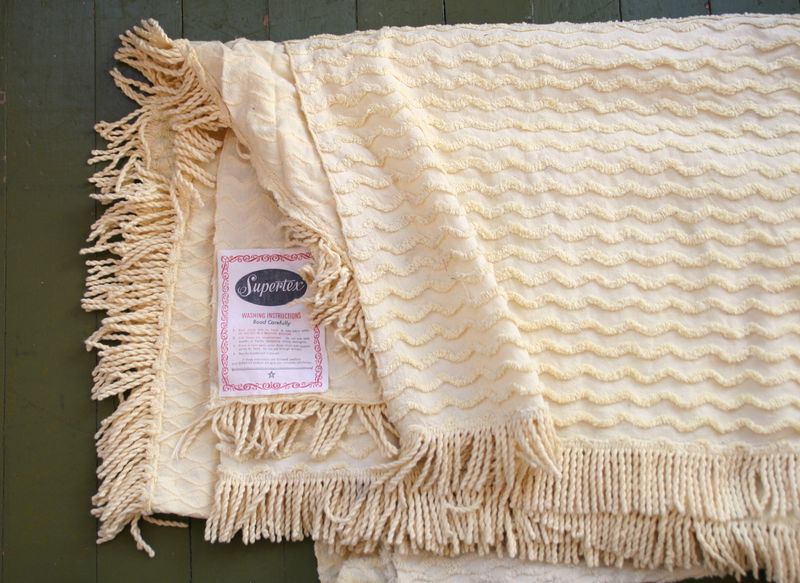
    I've been doing a bit of second-hand shopping lately. I have a new plan, which is only to buy things we will genuinely use often, or something that would make a lovely gift for a friend. A couple of years ago, I bought this yellow candlewick bedspread secondhand, and it's been one of the best things I ever found. We use it as a picnic blanket and during the summer it lives in the back of the car. I was thinking that vintage blankets like this would make great Christmas presents for people who like going on picnics.

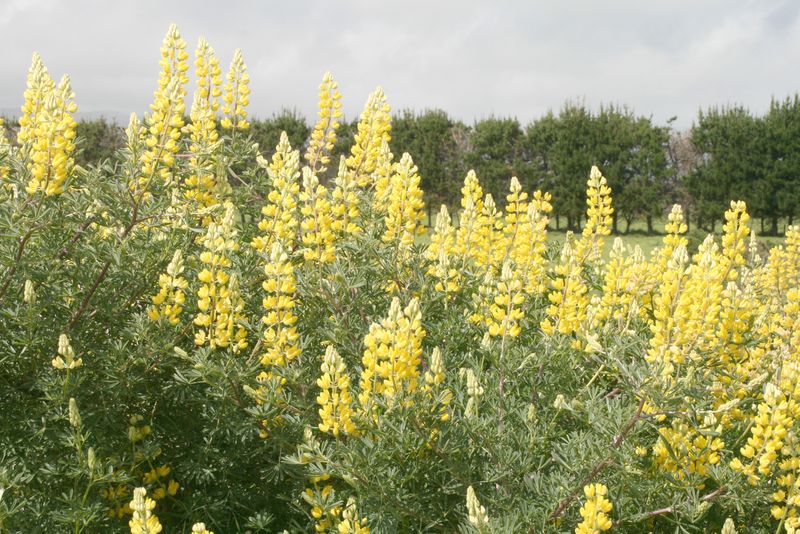
    I suppose you could say it's early summer here. Love this time of year- the garden is waking up and bees are everywhere. I went on a trip for work the other day and found an amazing field filled with yellow lupins. They stretched on and on, all the way to the sea. 

  • Books

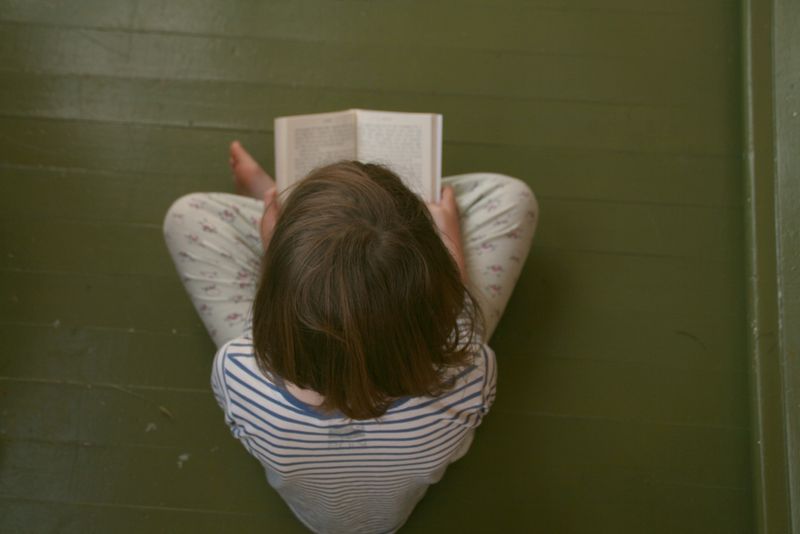
    My children read before and after school, over breakfast, on the bus, in the car, and all the times in between. I’m sure they’d read during other mealtimes if I didn’t insist on good manners.

    We’ve been asked for their book recommendations lately, so they helped me put together this list.

    I’ve put the books into rough age groups, to reflect the age they were when they enjoyed them, but of course you might have different ideas about what’s appropriate. I’ve also divided them into Arlo’s picks (he is 11) and Keira’s (9) rather than ‘gender’ groups. Most of the books below have been read by both of them.

    Not included in the list are non-fiction, picture books, cartoons/graphic novels/comics (all of these make up a huge part of their daily reading adventures) or the names of the many fantasy/sci fi books Arlo reads and the other ‘big’ book series such as Harry Potter, etc.

    Neither have I added books that I loved as a child and wanted them to love too (Enid Blyton anyone?) This list has been approved by them, and only features books they think are special.

    Feel free to add your best children’s books in the comments section, if you like! I hope you find some new favourites.

    Age 5-6ish

    Arlo

    Winnie the Pooh books (these have been heart-favourites since the kids learned to read and I often still find a copy under Arlo’s pillow)

    The Wind in the Willows

    Anything by Andy Griffiths (‘fun to read and so silly’ – Arlo)

    'Bow Down Shadrach', Joy Cowley ('a bit sad, but about horses.')

    Keira

    Violet Mackerel series by Anna Bradford

    Clarice Bean series, by Lauren Child (‘bit more grown up version of Charlie and Lola’ – Keira)

    Pippi Longstockings, by Astrid Lindgren

    Moomin series by Tove Jansson

    ‘The Practical Princess and other Liberating Fairy Tales’ (Jay Williams) and ‘The Wrestling Princess’ (Judy Corballis) – these were great for reading aloud before Keira read them herself.

    Age 7-8ish

    Arlo

    The Lion, the Witch and the Wardrobe, and all the other Narnia books by CS Lewis (magical, beautiful)

    Anything by Raymond Briggs. So touching and funny with graphic novel-style (‘The Man’ is our special favourite)

    Roald Dahl – everything and anything.

    'How to train your dragon' series (Funny and addictive, says Arlo)

    ‘Just so stories’ Rudyard Kipling (‘This book used to be my Dad’s, but I really like it too’- Arlo)

    ‘A coyote in the house’ by Elmore Leonard (‘from the point of view of an animal which is cool!’)

    ‘The Phantom Tollbooth’ by Norman Juster (‘My grandad read this to me, and I liked it so much I read it again myself’- Arlo)

    Morris Gleitzman books (‘Boy Overboard’ is amazing and had the whole family in tears on a recent car journey)

    Horrible Histories and Horrible Science books (‘silly and funny and good for in the car’- Arlo)

    Keira

    'Charlotte’s Web' by EB White (this has been a favourite of both kids, but Keira has been especially moved by it)

    ‘Under the Mountain’- Maurice Gee (‘set in our old hometown and a spooky second hand shop’- Keira)

    Little House on the Prairie series (I like the descriptions of the olden days- Keira)

    Heidi + Heidi Grows Up (the books were a bit boring for me to read but I listened to them on audiobook which was great!- Keira)

    Nanny Piggins series by R.A. Spratt ('so very funny and lots of mentions of cake'- Keira)

    The Daring Book for Girls

    ‘The dark blue, 100-ride bus ticket’ by Margaret Mahy (you can even hear it read for radio NZ here)

    The Ramona series by Beverly Cleary

    Age 9-11ish

    Arlo

    Wildwood trilogy by Colin Meloy and Carson Ellis (Arlo saved up his pocket money for these and says ‘Slightly spooky but very cool world to go into’)

    Louis Sachar – 'Holes', ‘There’s a boy in the girl’s bathroom’ and ‘Small steps’

    Phillip Pullman, His Dark Materials (Fantasy, with philosophical ideas. Arlo loved them, but good for grownups too)

    Des Hunt books (NZ books with a science/nature theme)

    J.R.R Tolkein books: The Hobbit, Silmarillion, etc – (Arlo reads these over and over)

    Laurie Hulse Anderson's Seeds of America (‘Chains’) series (both Arlo and Keira love these books)

    Maurice Gee’s Halfmen of O trilogy.

    ‘A boy called Mouse’ by Penny Dolan

    John Boyne: ‘Noah Barleywater runs away’ and ‘The boy in the striped pajamas’ – ‘really special books’ – Arlo)

    Keira

    Ruby Redfort series, Lauren Child (Keira says ‘These are my most favourite books ever. About a really smart and cool detective.’)

    'Wonder' by R.J Palacio

    'The Invention of Hugo Cabret' by Brian Selznick ('I really really loved reading this in the winter'- Keira)

    ‘Red Rocks’ Rachael King (‘set in Wellington and a beach we love’)

    Michael Morpurgo (Great nature and history stories)

    Anne of Green Gables books by LM Montgomery

    Lemony Snicket series ('Creepy and cool,' says Keira)

    Truly Tan series, by Jen Storer

    Friday Barnes: Girl detective by R.A. Spratt.

    Joy Cowley “Dunger” – ('So funny and set near our old home town! Brother and sister viewpoints'- Keira.)

    +  +  +  +  +  +  +  +  +  +  +  +  +  +  +  +  +  +

  • Chamom 1

    Chamom 2

    I've been growing plants for making herbal tea. It seems like one of those things that you don't really need to do these days. I mean, there are so many different kinds of tea in the shops and they're not expensive or difficult to find or anything.

    But I love the idea of growing tea plants, just because.

    The other day I harvested my first lot of chamomile. I thought the plant had died last year, but I moved it to a more sheltered spot and now it's thriving- actually, it's taking over the vegetable bed. And the flowers are huge- and very strongly scented. I've got a bunch drying in the pantry now. Will be sure to report back on the tea.

    This is a great article about older people: This is what 100 looks like. My favourite new piece of advice: "The secret to a long life is taking it lightly; not worrying too much. Everyone's got worries, but some people make theirs bigger."

  • Pillows

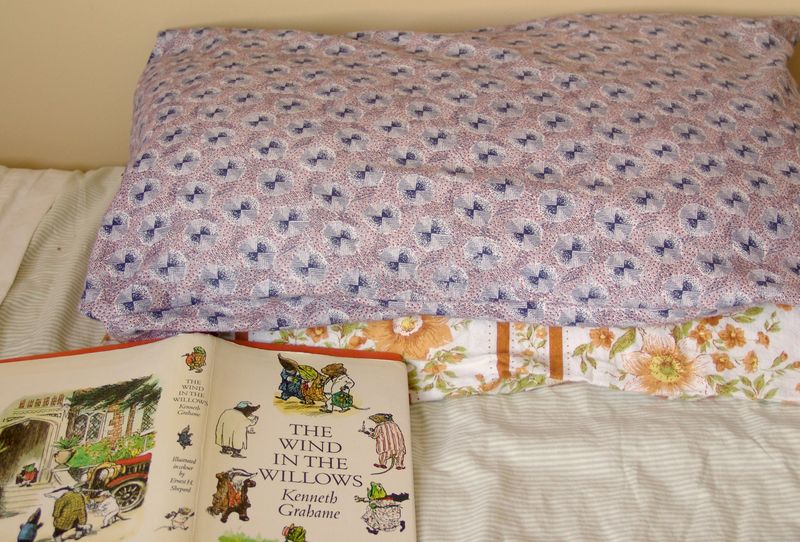
    Here's a simple pattern for making pillowcases. I've used this many times to stock up our linen cupboard, and the kids love the ones made from old printed brushed cotton ('flannelette'), especially in the winter. So cosy!

    Last week I wrote about some cases I'd made from one piece of fabric, and I'm still working on the tutorial for that (have forgotten *exactly* how I did it, ha) but then I remembered this method I wrote up a while back. It was going to be a little 'gift' project in my book but I didn't need it in the end. 

    I share it here because one of these made from lovely soft fabric, together with a DVD or book would be a great Christmas present for a child, I think. Or you could cut them from some other special fabric to make a pair of grown-up pillowcases. I hope you find it useful!

    You will need:

    one yard of cotton flannel fabric, you could always recycle a vintage sheet to make these

    ruler and tailor’s chalk (or fabric pen)

    Cutting:

    (To fit a standard size bed pillow insert)

    For each case you will need to cut out two pieces of fabric: one measuring 20” x 27”, and one piece measuring 20” x 32”.

    Making:

    1. Take the smaller piece of fabric and, along one of the shorter sides, press under a neat hem, pin, then stitch in place.

    2. Repeat with the other piece of fabric, then fold under a flap measuring 5’’ and press in place.

    3. Place your two fabric pieces together, right sides facing. Take the folded flap of the longer piece, and fold it right over the opening to the opposite side so that the raw edges match along the pillowcase’s side seams.

    4. Pin and sew the three raw edges of the case, using a 1/2” seam allowance. Finish these seams (overlock, zigzag or with pinking shears.)

    5. Trim any loose threads, turn your new pillowslip right-side out and press. The extra flap should sit neatly inside to cover one end of your pillow insert.

  • Halloween 2
    Halloween 1

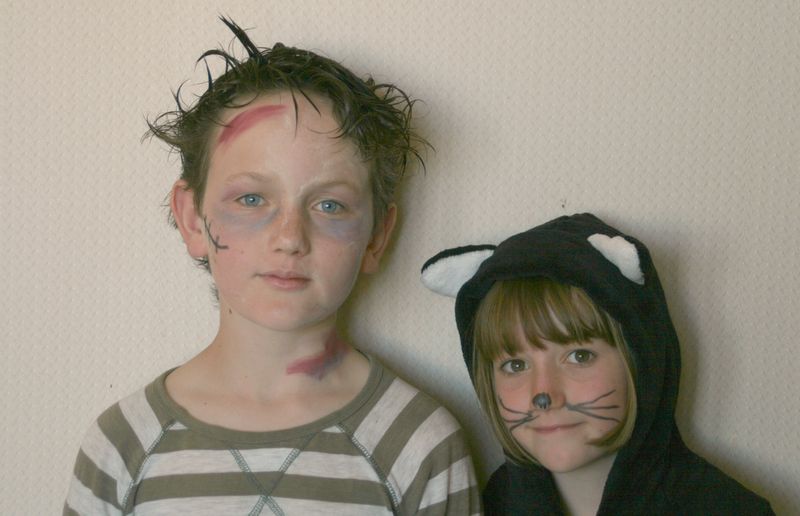
    Every year the kids get invited to a Halloween party at a friends' place and every year we scramble at the last minute for dessing-up ideas (I've never been into makeup or costumes, so the kids have to come up with the lot themselves I'm afraid.)

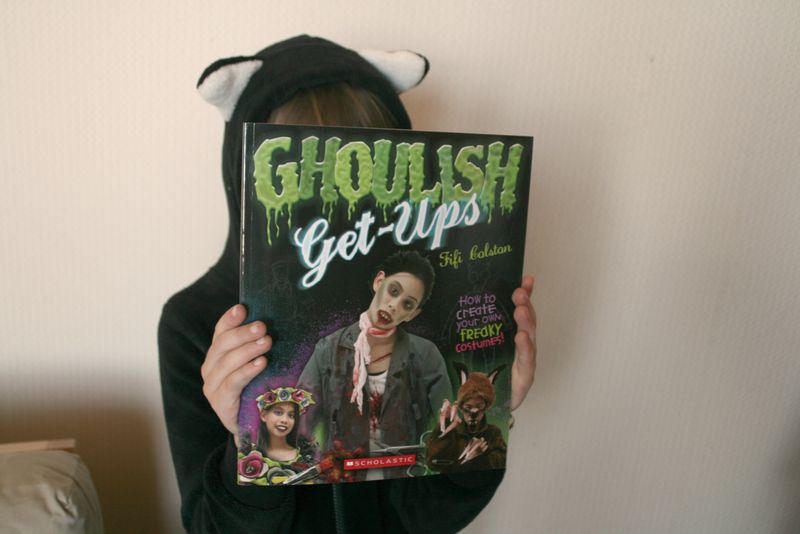
    This year it was more fun, and it's all thanks to our neighbour Fifi. She gave us a copy of her new book, Ghoulish Get-Ups (the kids were thrilled to help out with a spot of last-minute modelling), and ever since, they've been poring over the photos, studying each costume idea carefully and drawing their own designs. (This year we had a zombie with ripped clothes and a black cat. Arlo was going to be a witch to accompany Keira but had a last-minute change of heart.)

    We're lucky enough to live next door to writer, artist and crafter extraordinaire, Fifi Colston and her family. (When we first moved in, Fifi showed me her attic filled with beautiful costumes and creations- and a walk around her house is also quite inspiring.)

    Fifi's written and/or illustrated quite a few books, and this one is sure to be a handy resource for anyone who likes to dress up. My favourite thing about Fifi's craft is that she finds new and exciting ways to use everyday items, like things from the recycling bin. There are also recipes for creepy Halloween party snacks, such as zombie fingers and eyes.

    Here is Fifi on TV today, showing how to make easy fake wounds. Helpful!