tiny happy

making journal

  • Lip balms
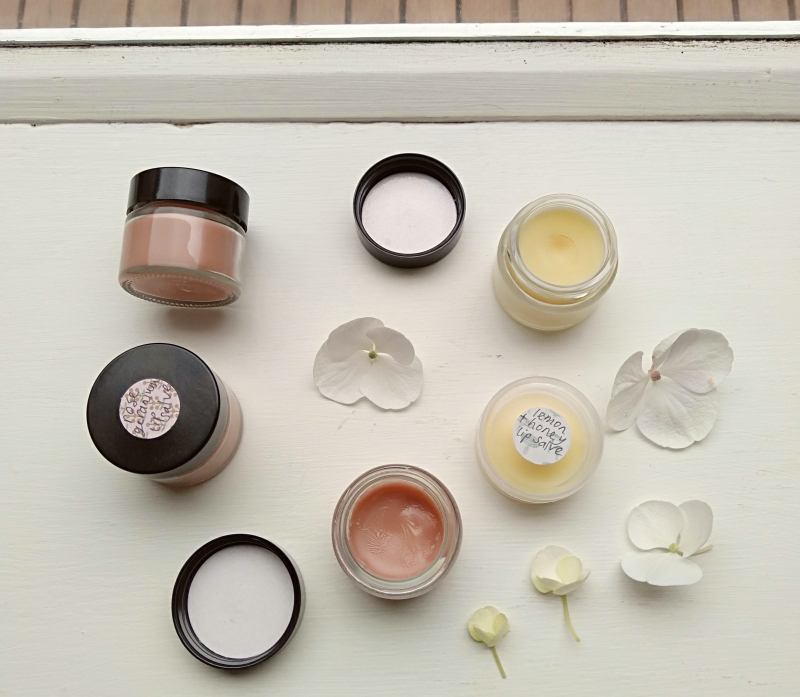
    The gift-making continues around here, and after our perfume adventures, Keira and I decided to make some lip balm, too.

    For our first batch, we used a recipe we found online but it set much too hard. So we scraped out the little pots and re-melted everything and made a second and then third batch. I can't tell you the exact measurements for our lemon + honey lip salve, but we're pleased with the final product!

    The ingredients we used: beeswax (not too much), shea butter, almond carrier oil, 1 tsp of manuka honey, 5 drops of lemon essential oil and 5 drops of sweet orange essential oil. We melted this mixture slowly in a double boiler until smooth, then poured into little pots.

    For our second batch, we were more careful to keep track of our measurements. Here's our recipe for rose-geranium lip balm, in case you feel like making some too:

    = = = = = = = = = = = = = = = = = = = =

    Rose geranium lip balm – makes three little pots

    Into a microwave proof jug (or double-boiler on the stovetop), measure:

    2 tsp carrier oil such as jojoba or sweet almond

    1/2 tsp manuka honey (for sweetness – optional)

    9 grams beeswax, grated or chopped

    2 Tb coconut oil

    2 Tb shea butter

    2 thin slices from a commercial lipstick (for a little colour- but this is also optional)

    5 drops each of rose and geranium essential oils

    Melt in the microwave at 20-second intervals and stir well to combine. When the mixture is completely melted and smooth, pour into your pots or tubes. Leave to set for half an hour.

    = = = = = = = = = = = = = = = = = = = =

  • Perfume 1

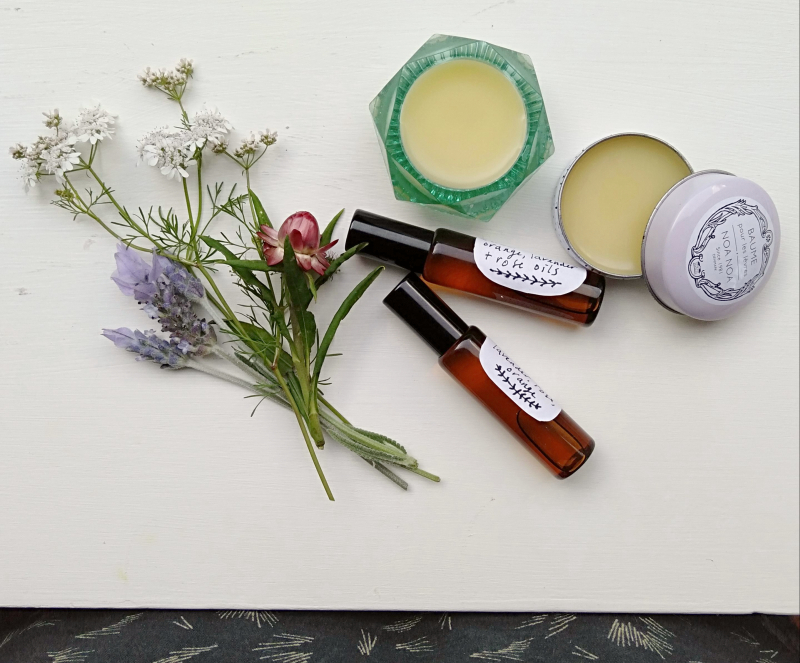
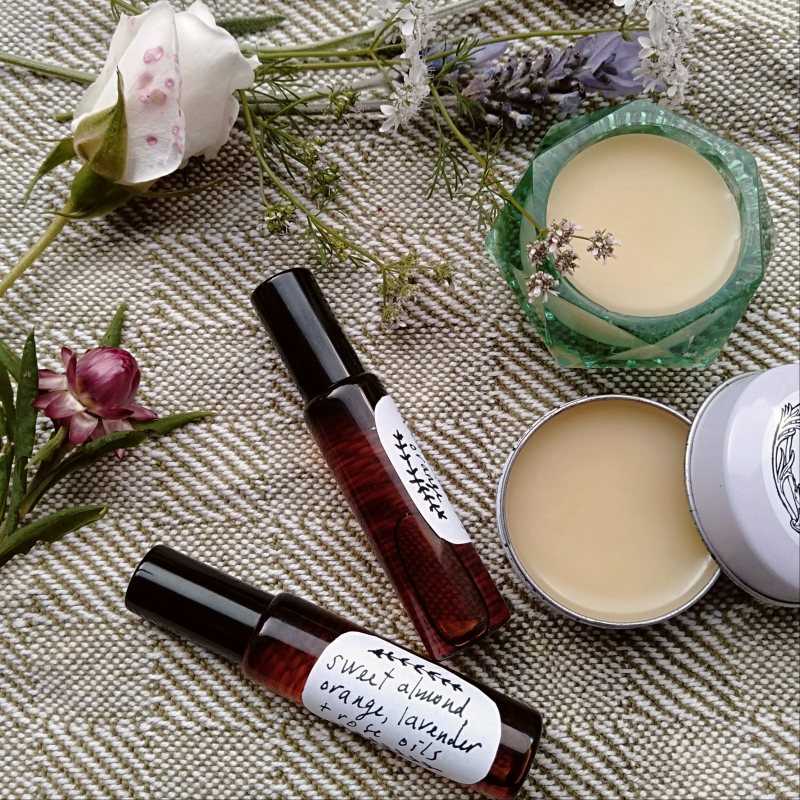
    I've been keen to try mixing my own scents for a while now, so I enlisted the help of my daughter Keira and we got started! It turned into a lovely activity to do together and we're both really happy with the perfumes we made for ourselves. We made some roll-on oil-based perfumes, and a few solid perfumes too. We plan to make some as Christmas gifts for our friends, next.

    My favourite thing about these little perfumes is that they're small and easy to slip into the little pouch I have in my handbag for lip balm and hairclips – and re-apply any time throughout the day. The soothing scent of my little bottle of lavender and rose goodness is almost like a rescue remedy for me as I go about my busy day. I love knowing it's in my bag.

    I shared this idea on Instagram the other day and had a few questions about my method in general and where I got my ingredients from. So here are a few notes. Please know that I am a total amateur at perfume making, but I intend to keep practising because I'm obsessed with beautiful scents. Another thing to keep in mind is that the scent of this perfume doesn't last as long on the skin as a synthetic perfume does, so a few applications throughout the day might be necessary. But that's not really a hardship!

    Also, please remember that you'll want to do a patch test first to ensure your blend won't irritate your skin. Essential oils should never be applied in their undiluted form. Keep out of reach of children. Some oils should not be used during pregnancy.

    Roll-on perfume

    You'll need:

    Neutral carrier oil such as jojoba, apricot kernel or similar. I used organic sweet almond oil from Kereru Natural Products

    Essential oils you love – I used a blend of three, also from Kereru

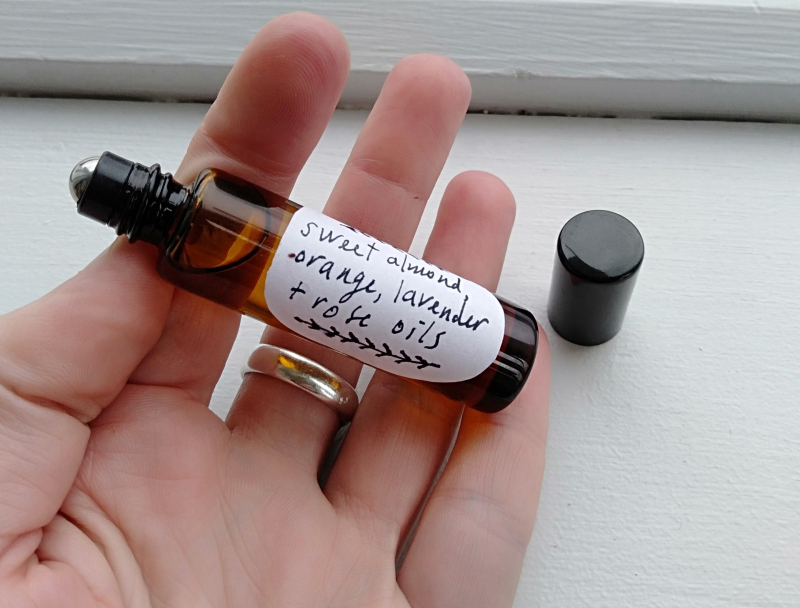
    Small bottles – I used 10ml amber glass bottles with metal rollers and screw-on lids (found on TradeMe)

    Label + pen or paper and glue stick to make a label

    Cotton pads or scrap fabric, and an eye-dropper (optional)

    1. First, decide on your oil blend. Do this by testing out blends on your cotton pad or scrap fabric until you get a combination you love.

    You can choose three different essential oils, focusing on top, middle and base notes. Here is a chart to help work out which particular oils are top, middle and base types. You can weight the different oils accordingly (base notes = 20%, middle notes = 50%, top notes = 30%) if you like, but I don't think it matters too much.

    Perfume 3

    ~~ Blend ideas ~~

    For headaches: peppermint, lavender, lemongrass

    To promote relaxation/calm: bergamot, lavender, ylang ylang

    For clarity and focus: rosemary, peppermint, sweet orange

    Earthy floral blend: lavender, geranium, rose, patchouli

    My favourite blend for happiness: rose, geranium, sweet orange, lavender

    2. Remove the roller ball from the bottle and drop in your essential oils. For a 10ml bottle, you will need to use about 40 drops altogether. For my favourite blend (as listed above) I used 20 drops of lavender, 10 drops of rose, 5 drops of sweet orange and 5 drops of geranium oil. Swirl the bottle to mix.

    3. Using the eye-dropper, add your carrier oil until the bottle is half full. Replace the lid and shake to combine. Then remove the lid again and add more carrier oil until the bottle is nearly full.

    4. Replace the ball roller and lid, and add a label so you remember which blend is inside. Enjoy!


    Solid perfume

    This is a nice way to carry a little perfume with you wherever you go! You can collect little lolly tins or lip balm containers for this. I've found it lasts a little longer on the skin than the roll-on scent. 

    You'll need:

    Two small pottles or tins (I used old lip balm tins, washed and dried, but you could also use lip balm tubes if you can find them)

    42 grams of neutral carrier oil (I used organic sweet almond oil)

    7 grams of grated or chopped beeswax

    Approx. 15 drops of essential oils you love (you could use one or a blend – see above for ideas) 

    Digital scale

    Small glass jug and a wooden iceblock stick or similar

    1. Decide on your oil or blend. You can use a cotton pad or fabric to test out blends before mixing them together.

    2. Place the oil and beeswax in the jug (I used a digital scale to get the quantities exact) then melt together in the microwave for 10 seconds at a time, stirring with the popsicle stick in between. If you don't have a microwave, sit the jug on a pot of boiling water and stir until melted and smooth. Add in your essential oils and stir again.

    3. Carefully pour the mixture into your little pots and add lids and labels when cooled and set.

    Perfume 2

  • Rose
    Roses 2
    Lizzie
    Patchwork bag
    Cleaning
    Blanket 3
    Blacket 1


    Kia ora, hello!

    I've been absent from here for over a month – maybe the longest stretch ever! My apologies if you sometimes check in and found there was nothing new. It's been a busy one, but no more than usual, if I'm honest. In any case, it's lovely to be back here again today and I've set myself the goal of writing shorter but more frequent posts next year – maybe a once-a-week kind of arrangement. 

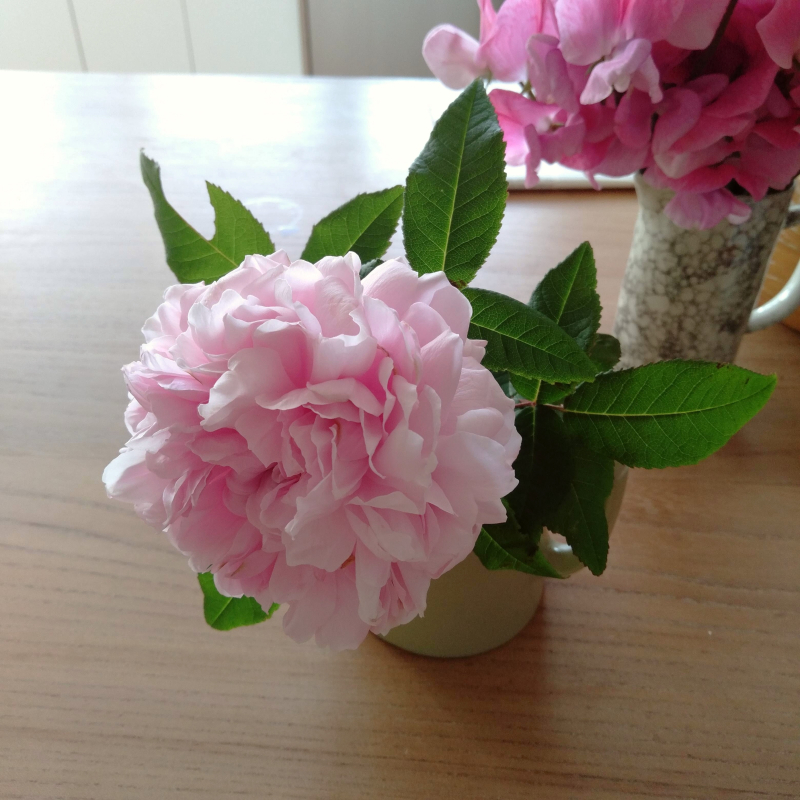
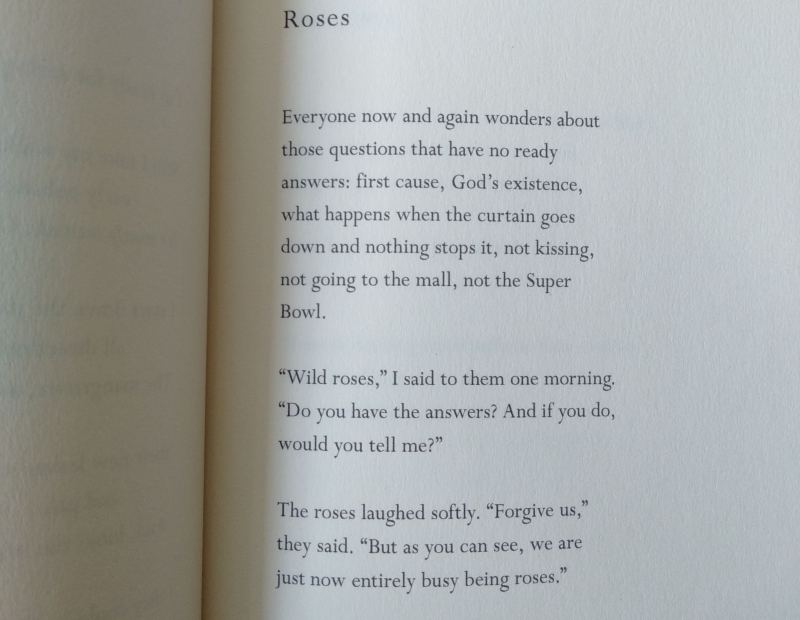
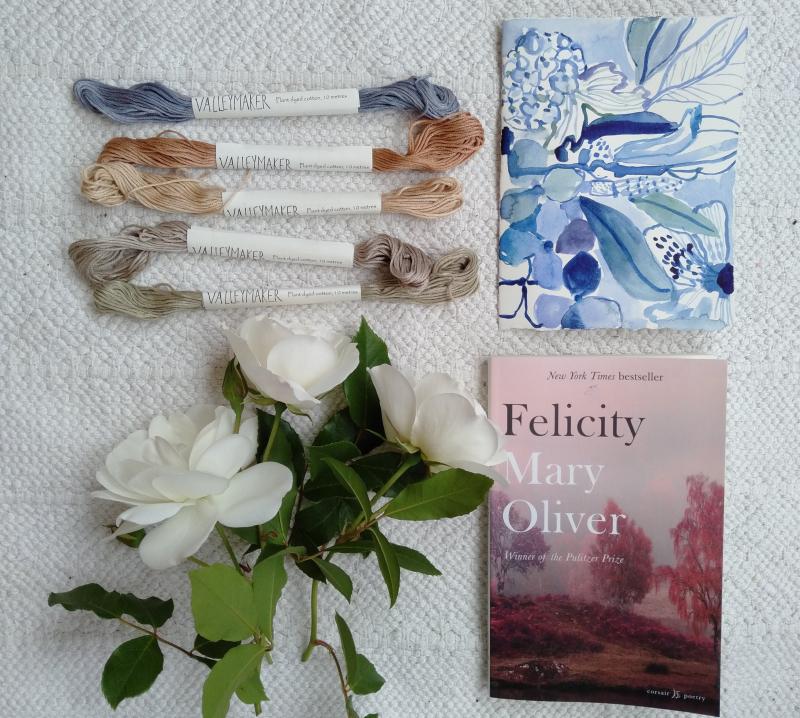
    I thought I'd share some of my recent projects and news. It's rose season – as you'll see here in this post. We recently went wild-rose-hunting with Tom's mum Clare and found some beauties – she's a heritage rose specialist and has shown me some interesting spots around the older parts of Wellington. This latest rose mission coincided with a beautiful gift from my friend Lizzie in Melbourne. She included in her package Mary Oliver's 2015 collection Felicity, and I've snapped the poem Roses for you in the photo above. I feel deeply its reminder to live more like a plant – be in the moment, focus rather than scatter my thoughts and energies everywhere. At least, that's what I take from the poem. You might have a completely different reading.

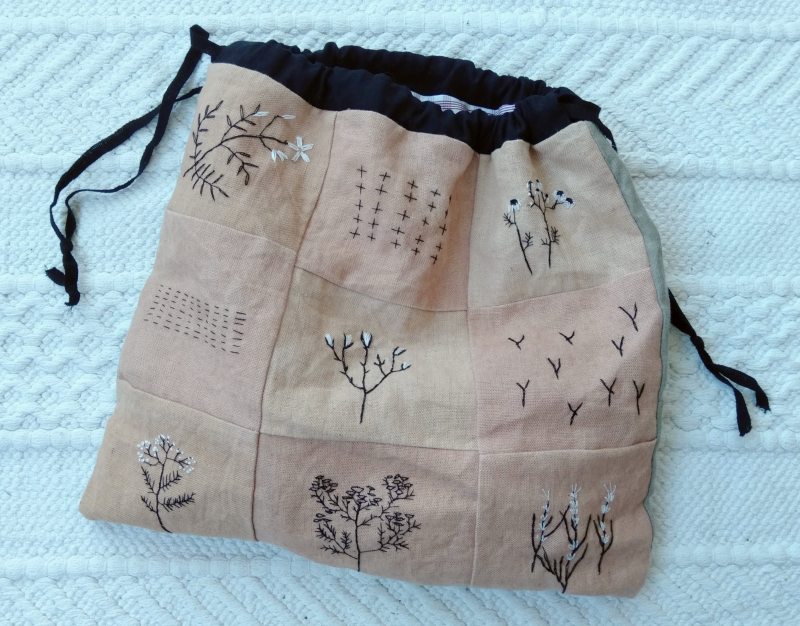
    I finished my Soul Craft Makealong project bag – I talked about it in a few posts back. It was really enjoyable to make and I loved the suggestion to patch together small pieces of linen for it, rather than embroider on a larger piece. This approach allowed me to use some test pieces of avocado-dyed linen. I embroidered various plants and patterns on each patch, in black and white thread.

    For the lining, I used some checked cotton cut from an old shirt of Tom's that had worn around the cuffs and collar. And some brown linen on the back of the back, and black cotton tape as a drawstring. 

    = = = = = = = = = = = =

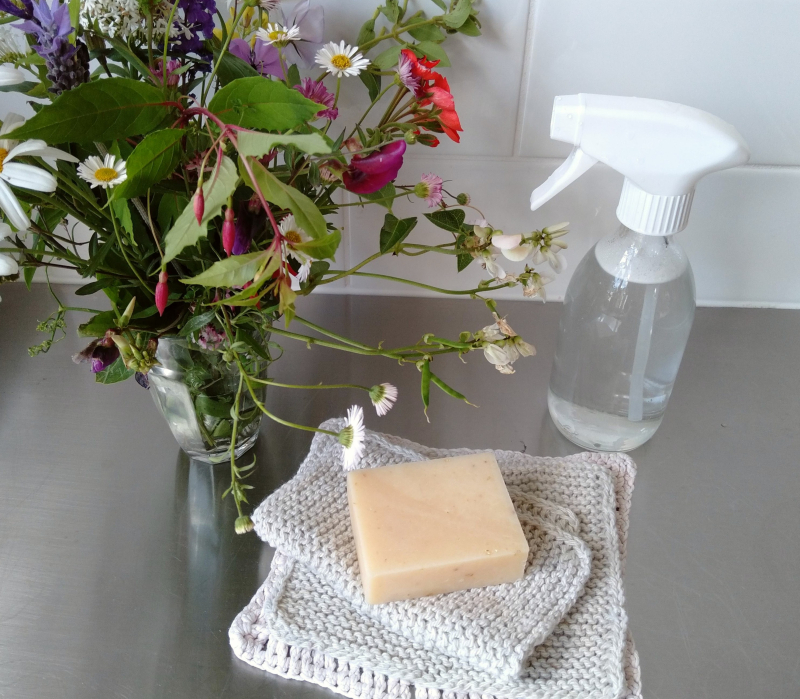
    Recently on Instagram, I shared a little d-i-y project: handmade cleaning cloths and spray. They're both things I make quite regularly and I never buy these products anymore as I think the homemade version is much nicer!

    In case you don't have your own method, here's mine:

    Best cleaning cloths: cast on 35 stitches using 4mm needles + DK cotton yarn (I used some great 100% cotton recycled from old textiles!)

    K to last 2 sts, slip 2 with yarn in front (for a neat edge). Repeat till you have a squareish shape, cast off, weave in ends.

    Kitchen spray: in a reusable bottle, place a good splash of white vinegar, a decent squirt of dishwashing liquid, a few drops of essential oils (I use lavender + tea-tree), then top up with warm water and shake together. Never buy this stuff again, feel virtuous!

    = = = = = = = = = = =

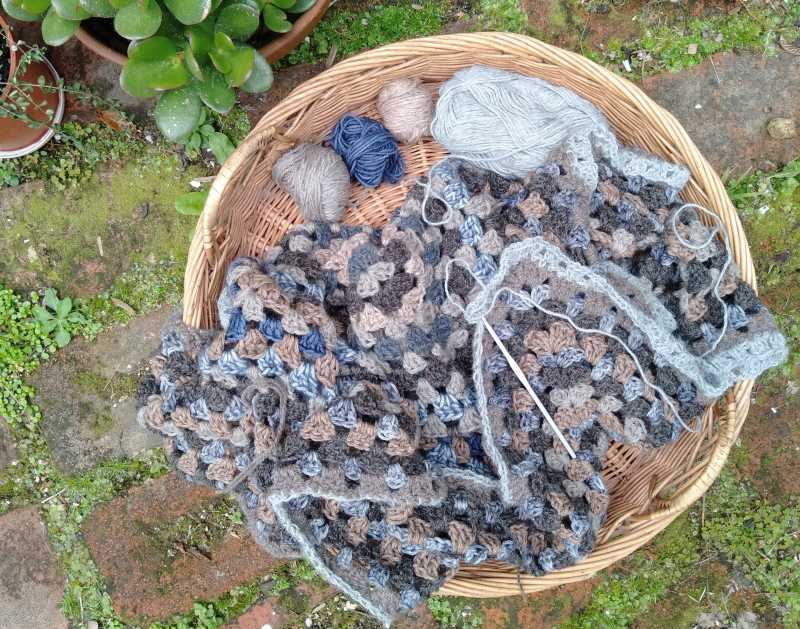
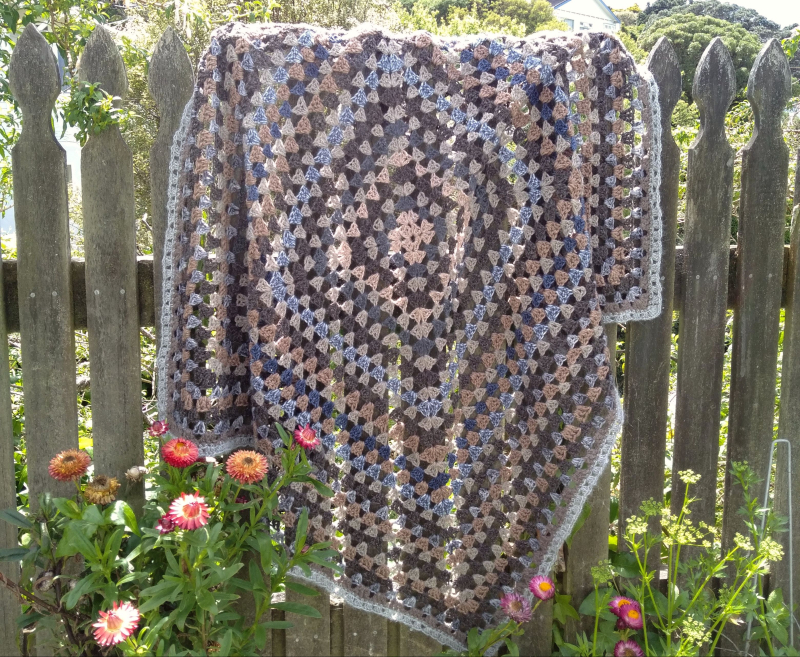
    Another project I've finished recently is a blanket for a friend's new baby. For this I used leftover yarns from other projects – most of them were DK weight wool + alpaca blends. I worked a finer border, in grey alpaca, around the edge to finish it. I love these light and soft blankets and intend to have one on the go at all times, now I've finally learned to crochet!

    What are you enjoying listening to and reading at the moment?

    I've always been an Aldous Harding fan but at the moment I'm loving her track Old Peel through the headphones, as well all things Noname (check out this wonderful Tiny Desk concert!) 

    Another piece of music I love very much is My Friend, The Forest by Nils Frahm. If you're looking for something deeply calming and beautiful for your headphones, look no further!

    + + + + + + + + + + +

    I hope you're well and safe. See you again soon. XX

  • Flight
    Gift
    Little vases Teatowel
    Kowhaiearrings
    Soulcraft

    Greetings from the end of October! I hope this finds you very well, blog friends.

    I thought I'd stop in to share some of my recent makes and photos with you. Thank you, as always, for reading!

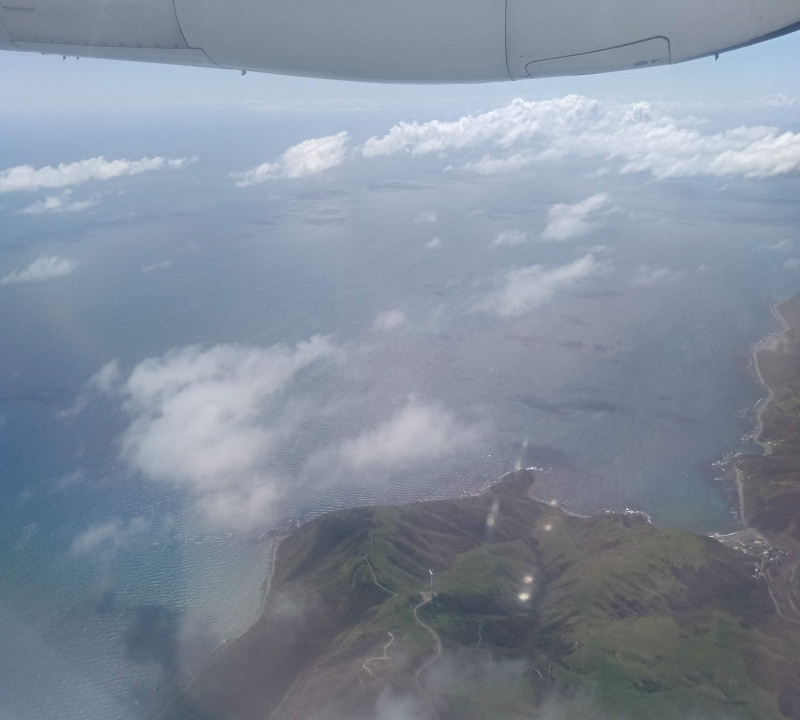
    I had a birthday recently and took a trip to the South Island to see family. I always get overwhelmed with the beauty of what's outside the plane window. The bluest water, folds of land that appears pinched and pleated by fingers. Sparkling light reflecting off the clouds. And the thought that it's always up there, shifting and changing, but you don't think of it until you're in a plane and see it for yourself.

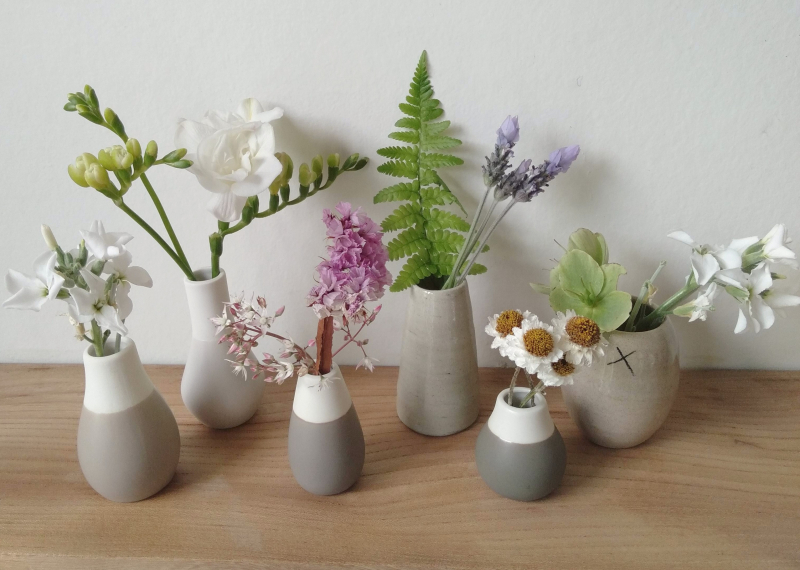
    I was lucky enough to be given some beautiful handmade gifts for my birthday. I wanted to share some of them with you. Above you can see a collection of tiny vases, a gift from my mother-in-law and sister-in-law. The 'dipped' ones I think are from a Danish company called räder and came in a boxed set. And the other two are from Nelson ceramic artist Melanie Drewery. I've been having a lot of fun arranging them with tiny bouquets of flowers and ferns. 

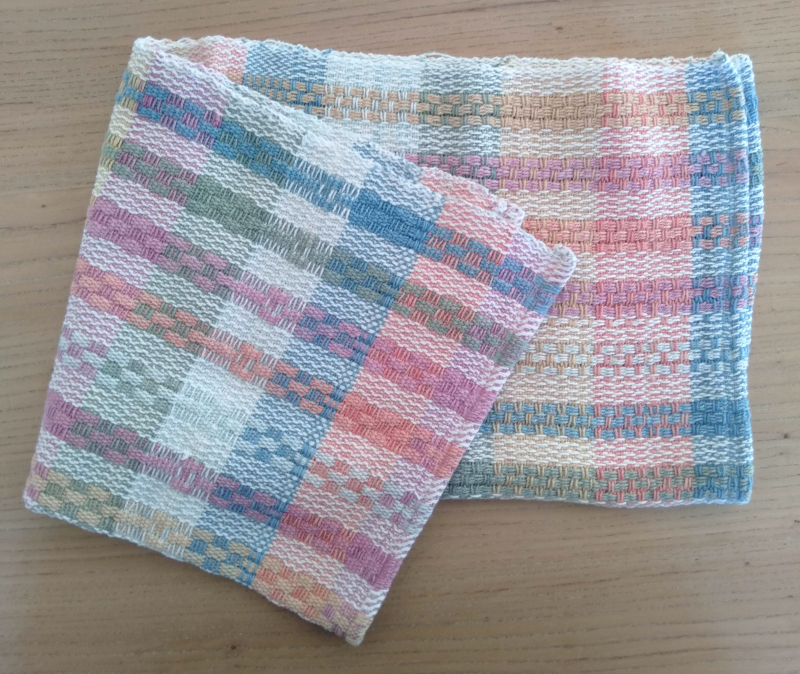
    My mum gave me a tea towel she wove herself from cotton thread. I think it's so beautiful, nearly too beautiful to be used if I'm honest. She insists it should be used though, so I will bring it out (and try not to get cross when someone uses it to pull a bubbling lasagne out of the oven – arrgh!) I love the pinks and oranges she chose for the design. 

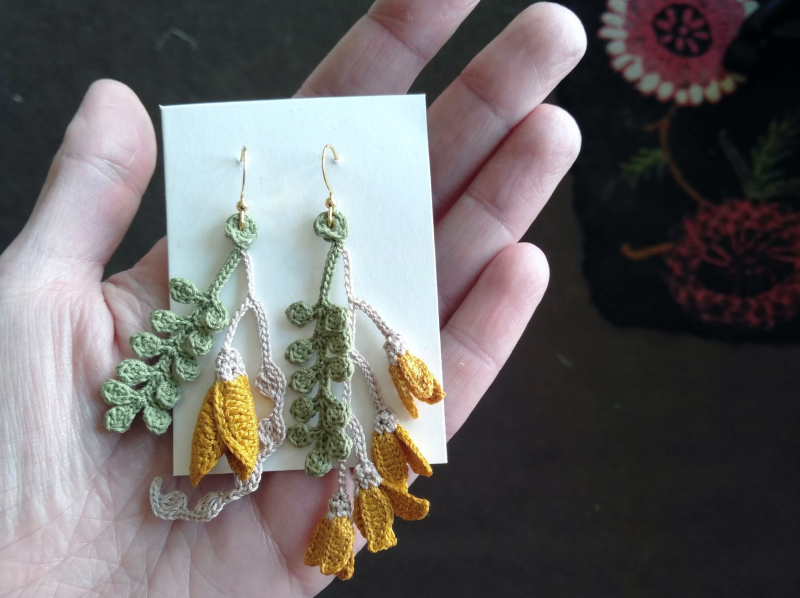
    Below that you can see those most delicate little crocheted earrings, kowhai stems. These were a gift from one of my oldest school friends, Sarah-Jane. They were made by a Japanese-born, NZ artist named Yoko Imai. I love kowhai and am completely in awe of the artist's fine work.

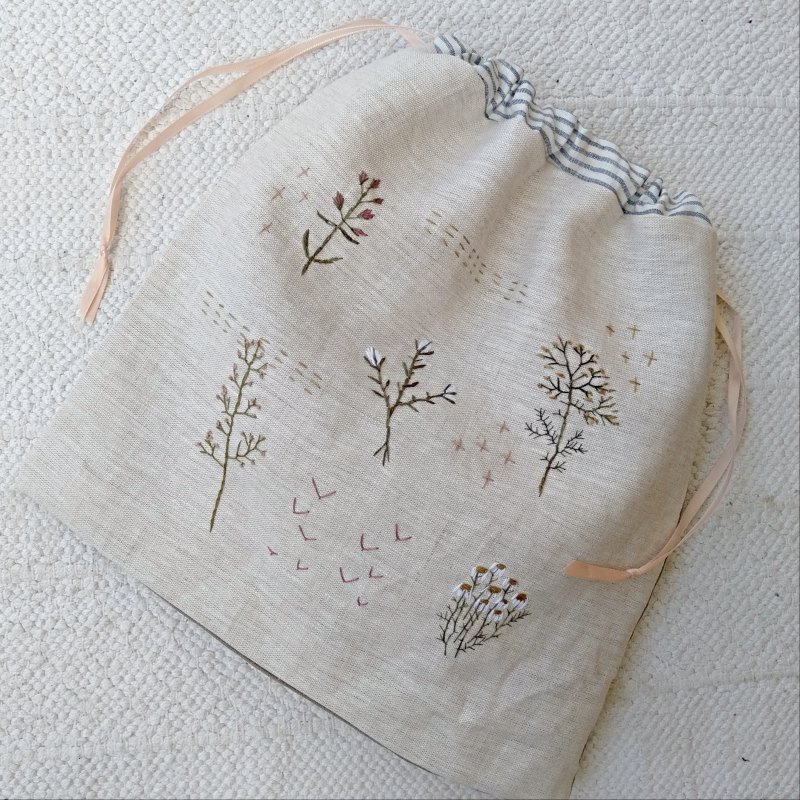
    And in the top photo you can see a gift I made for my mum – a new project bag for her knitting. Truth be told, she already has quite of these, but then again she has a lot of projects on the go…

    + + = = + + = = + + = = + + 

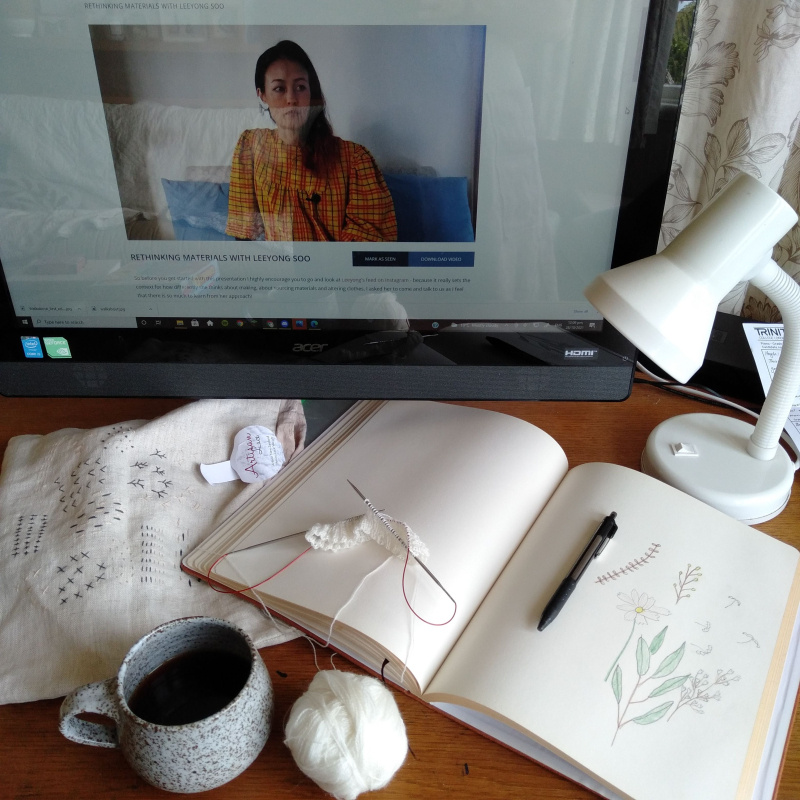
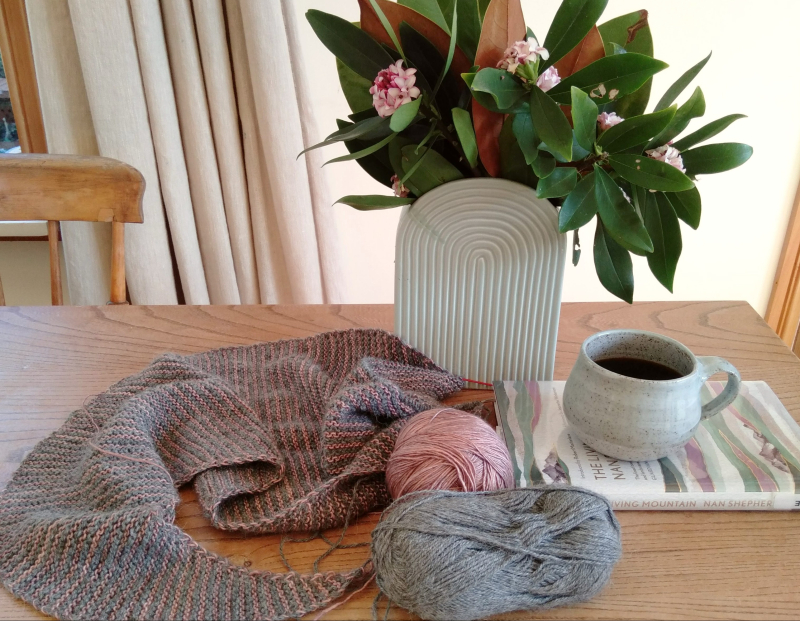
    Finally, I wanted to do one last shout-out to Soul Craft Festival, another October treat. I've loved popping in with my coffee and knitting over the course of each month to listen to the discussions and presentations. In the photo above, I was listening to Leeyong Soo talk about rethinking materials and re-fashioning second-hand goods. Really inspiring stuff.

    In this post, I wanted to share with you my progress on the Stephen West Mystery Knitalong, as mentioned last time. But then I remembered that we're not supposed to post spoilers until the knitalong is finished. So if you'd like to see how mine looks so far, you can click through to my Insta post here

    Take care, and I'll see you here again soon!

    Melissa X X

  • Avocado dye

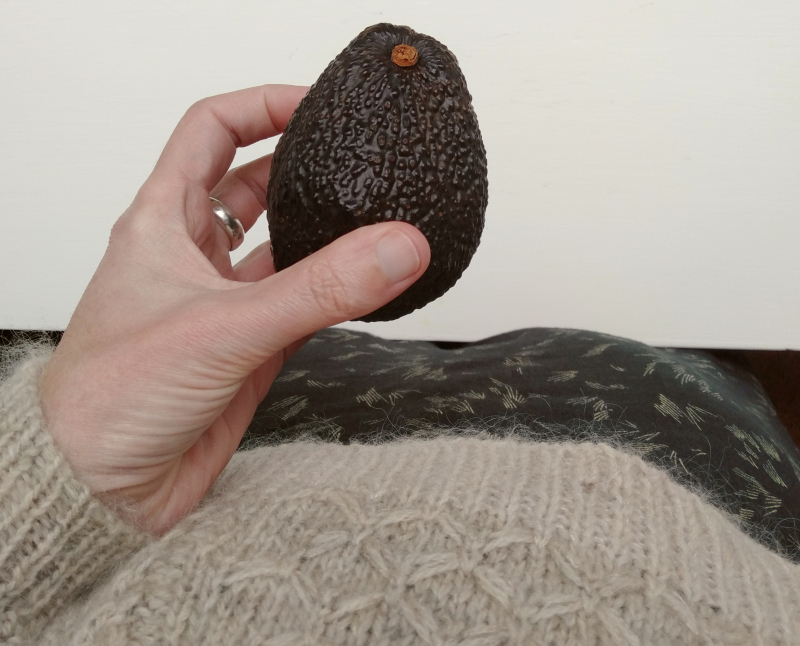
    It's avocado season here and as always, my family are taking advantage by spreading some on toast every morning, seasoned liberally with salt, pepper and lemon juice, of course!

    But it also means we have a lot of avocado skins and stones and they make beautiful dye material. I shared a couple of dye experiments on my Instagram account lately and had some questions about my method, including some of the modifiers I use. I thought I'd share some notes here, just in case you're keen to boil up some avocado skins too!

    Dyeing with avocadoes – a very rough guide

    These are just my amateur notes, offered in the spirit of encouragement! Natural dyeing is an inexact science and there are so many variables to take into account. How ripe your avocadoes are to how much calcium is in your water and the length of time you steep your dye are just a few of the many factors that come into play. So I just suggest doing your own experiments and keeping a notebook for next time.

    Just a warning – you'll want to use jars, pots and utensils that you don't use again for cooking, especially if you use iron and other modifiers. I suggest a trip to the secondhand store to pick up supplies, and you can look for things to dye while you're there! Old clothes and bedding of different fabric types can be cut up, and you can also look for white embroidery thread, yarn, ribbon and tapes to experiment on too.
    Avocado 3

    🌿 Materials 🌿

    Avocadoes – I usually use both the skins and stones of 4-5 avocadoes to make a dye bath that fills a medium-large saucepan. But you can still get good colour from 2-3. I collect the skins and stones in a bread bag in the freezer over time. I believe you can also dry the skins and stones until you're ready to use them, though I haven't tried that myself.

    Fabric and yarn to dye – These notes are for dyeing natural fibres such as cotton, linen and wool fabric and yarn. I had in mind a colourwork knitting project, so I wanted to dye small skeins from a cone of cream 4ply wool yarn. I've used the same method successfully for cotton yarn, silk ribbons, embroidery thread, a silk dress and linen and cotton fabric. This method doesn't work well for synthetic fabrics.

    Dye pot – I use a large aluminium pasta pot for dyeing. It's best to dedicate a pot solely for this use, and not cook food in it again. Because my pot is made from aluminium, I think it helps mordant my yarn/fabric at the same time.

    Utensils – I use an old wooden spoon, again dedicated for this use and a kitchen sieve.

    Modifiers – You don't have to use any of these, but they can be fun to play with. I've modified my avocado dye with baking soda, white vinegar, iron solution and there are more to try, such as citric acid, washing soda and cream of tartar to name a few.

    Extras – it's also handy to have a notebook and pen for recording methods and results, an old towel, a couple of glass jars, rubber gloves, an outdoor burner (I don't have one of these but did my dyeing in the kitchen on a fine day with the doors and windows open), a face mask, a ph-neutral soap or washing-up liquid for soaking the yarn and fabric both before and after dyeing.

    🌿 Method 🌿

    It's best to remove any green flesh from the avocadoes beforehand, as it can 'muddy' the resulting colours. If I'm using pre-frozen skins and stones, I tip these into a sink of warm water and gently rub them with a cloth to remove the green. Then I place the cleaned skins and stones into my dye pot and fill it up with tap water. I put the lid on and bring it to a boil.

    Once boiling, I reduce the heat and let the dye pot simmer for between 1-2 hours. I've read that it's best not to boil the avocadoes too hard as that can also muddy the dye. You can check the colour of your dye from time to time by dipping in a glass jar to collect a little water and check the colour. After a couple of hours, the water should look dark orange. You can keep simmering for longer if you like. Stir now and then with the wooden spoon.

    While the dye is simmering, I prepare my fabric and yarn. These items can be 'scoured' but unless they're really dirty, I just wash them well by hand in warm soapy water, rinse well, then soak them again in warm clear water until I'm ready to add them to the dye pot.

    Basic method (no modifiers):

    Once I'm happy with the dye colour, I turn off the heat and sieve the dye into a big glass bowl, remove skins and stones and put them in the compost. Then I tip the dye back into the pot. At this point, if it's cooled down, I heat it up again till boiling, then turn off the heat and carefully place the yarn and fabric into the pot, trying not to agitate the yarn at all.

    Then I leave the lot cooling for at least 4-5 hours. For lighter shades, I take the dyed items out and carefully rinse until the water runs clear. Then I squeeze the yarn dry by folding it up in a towel and stepping on it. I dry the finished skeins outside on a towel or hanging on the washing line, but out of the direct sunlight.

    For deeper colours, just steep for longer – you can leave it in there for a couple of days if you like! Then repeat with the rinsing and drying process.
    Avocado 2

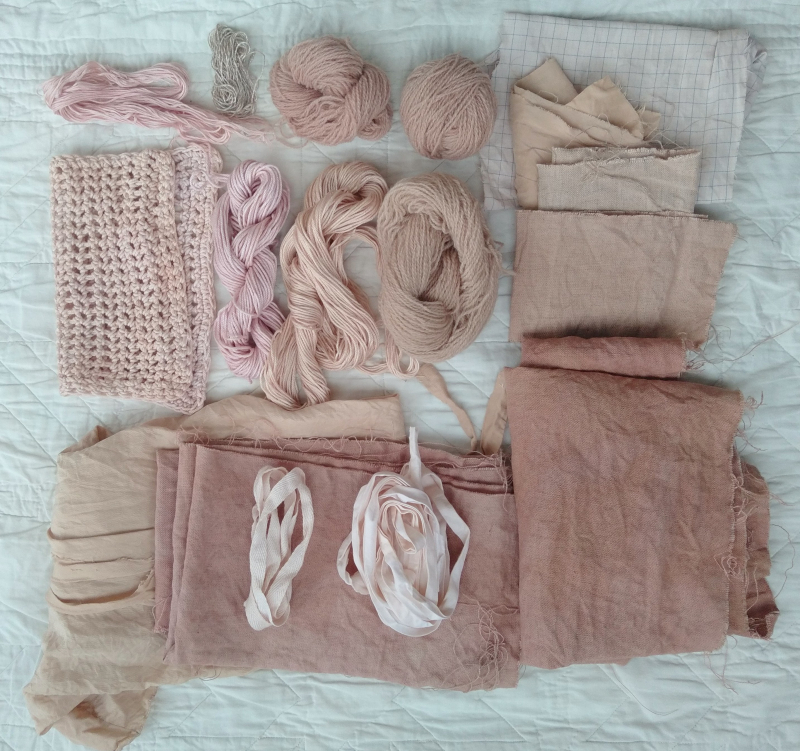
    A recent batch of avocado dye. For the darker shades of linen fabric, I modified the dye with 1 tsp of baking soda and soaked the fabric overnight. The peachy shades were the result of silk and wool after 5-6 hours of soaking in the dye pot with no modifier. The bias tape didn't take the dye well as I think it has some synthetic content.


    More involved method (with modifiers)

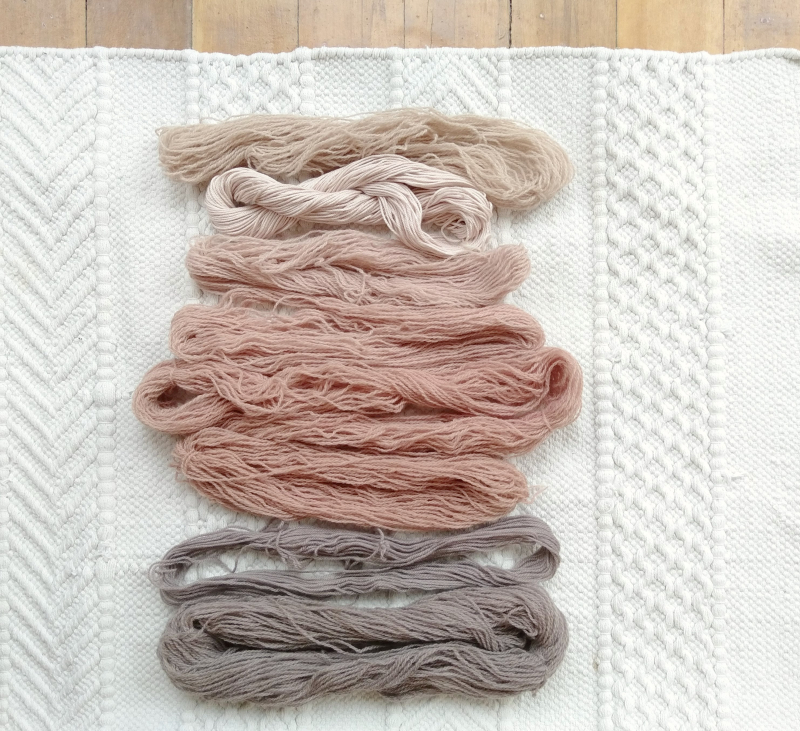
    For deeper pinks, I left the skins and stones in the pot with my skeins of yarn, for about 12-15 hours before removing and rinsing.

    For the grey-purple, I made an iron solution by soaking some rusty nails in a jar of warm water for 3 days with a spoonful of white vinegar added. Then I tipped about 1/4 cup of this solution to the dye pot. The dye turned very dark, almost black, and once I rinsed the yarn out it was a beautiful grey mauve. Just a note though – another time I did this, the yarn went black then rinsed clear. So this method is still a bit of a mystery to me!

    For warmer, almost cherry-pink, I added 2 tablespoons of baking soda to the dye pot after boiling, then soaked linen fabric overnight.

    If you want to experiment with different modifiers, you can tip the hot avocado dye into glass jars and add the different modifiers to each. You might want to label your jars for reference though.

    🌿 Further reading 🌿

    There are lots of amazing natural dye resources out there, from books and websites to YouTube tutorials! A few I've found helpful include Rebecca Desnos' Top Tips for Pinks (she uses soya milk to pre-treat / mordant her fabrics) and this thorough Four Rabbits tutorial about ph levels and modifiers. I also like the book The Wild Dyer by Abigail Booth but there will be lots of wonderful books to inspire you at your local library.

    = = =  I hope you have fun if you decide to give this a go. I'm looking forward to my next natural dyeing adventure this summer! = = = 

  • Makealong

    Mkal coloursCrochet

    Baby set

    Choc chip cookies

    Do you know about Soul Craft Festival? It's in its second year of online life, (after 1 year in-person, pre-pandemic) and it's happening through October!

    Over the past week, I've loved logging in to the Soul Craft portal to listen to the latest conversations and presentations. Soul Craft's mission is to present a festival of ideas celebrating craft and connection and I believe it does just that. Even though it started last week, you can still buy a pass and join in, and the content remains for you to watch anytime for 6 months.

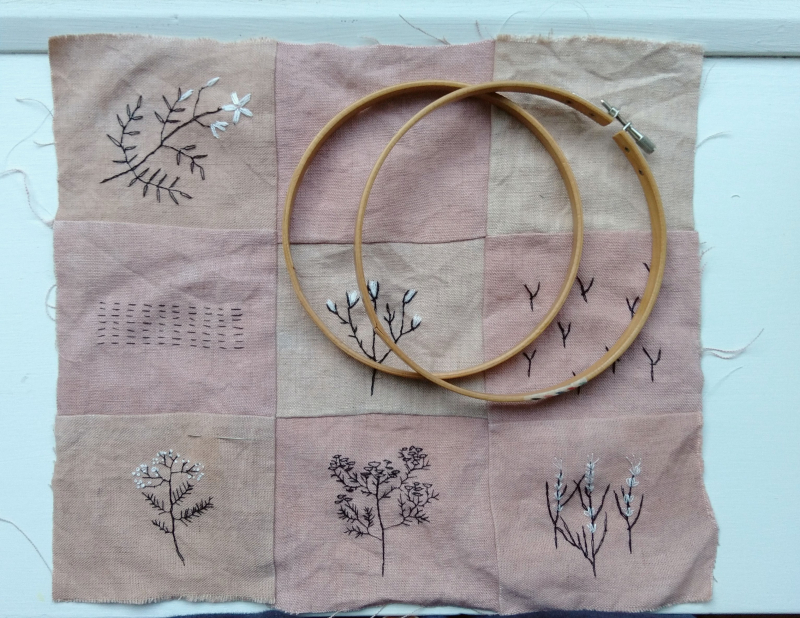
    One of the components this year is a "make-a-long project" with my friend Elizabeth Barnett. It's an embroidered project bag, and Elizabeth supplies a video tutorial and a downloadable pattern so you can make your own. I have enjoyed making along with the group and in the first photo above you can see my half-made bag – I just have a little more embroidery to do before sewing it up. The idea is that we can use up scraps of fabric sewn together, and I've used pieces of linen dyed over time with avocado, so all the pieces are a slightly different shade.

    For the embroidery, I chose a range of plants and also some "marks", inspired by one of the festival talks ('mark making with Rachelle Toimata.')

    = = = = = = = =

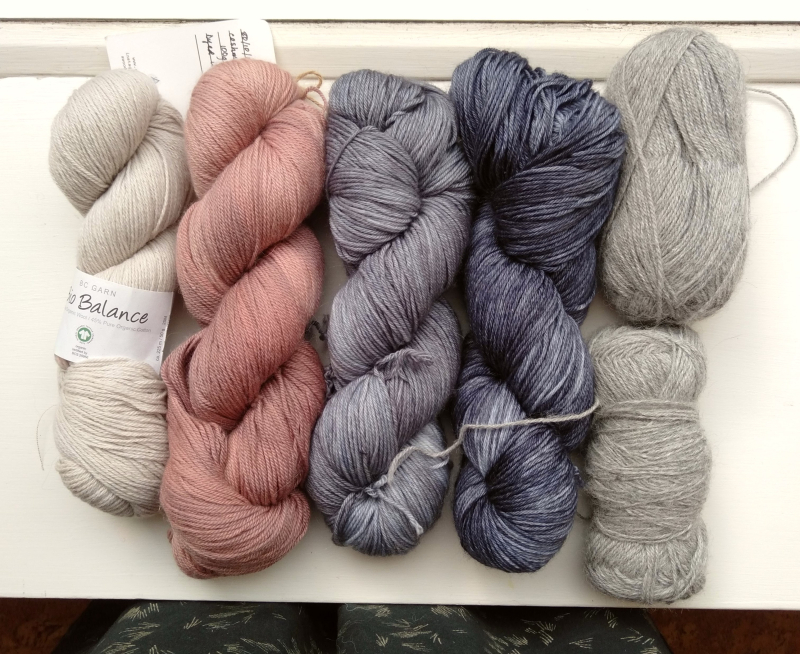
    Another make-a-long happening this month is the Stephen West Mystery Knitalong which is taking place on Ravelry, mostly, but also shared on various social media platforms. This is my first time taking part, and even though I probably have too much life stuff happening this month, I decided to sign up to inject a bit of fun and playfulness into my knitting practice. I've always found that I learn a lot when knitting Stephen West patterns because he uses interesting shaping and texture techniques. I think he has a very special gift for imagination and teaching.

    The pattern requires 5 skeins of fingering-weight yarn, each a different colour. I looked through my stash (a plastic tub that lives in the wardrobe) and pulled out the fice yarns you can see in the second photo above, without too much thought. I hope they'll work well in my shawl – and if not, I do love all the colours, so I'll probably still wear it!

    If you're interested in checking out the Stephen West Mystery Knitalong, you can click here for more information (Ravelry link) including where to buy the pattern. 

    I'm looking forward to showing my progress in my next post!

    + + + + + + + +

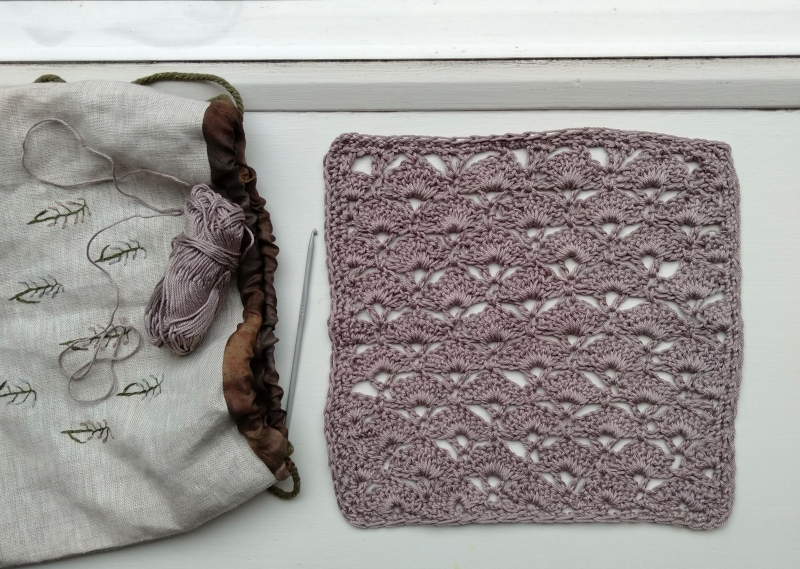
    Other things I've been working on lately include a bit of crochet. I've shared a picture of a crochet facecloth I made to try out a new stitch – scallops! For this, I used a free pattern from KnitPicks called the Jazz Age Washcloth. You can download it here. There's also a YouTube tutorial if you prefer that for learning (I do, I must admit). I love the finished piece and I think these would be lovely to give to mates at Christmas with some nice soap or something.

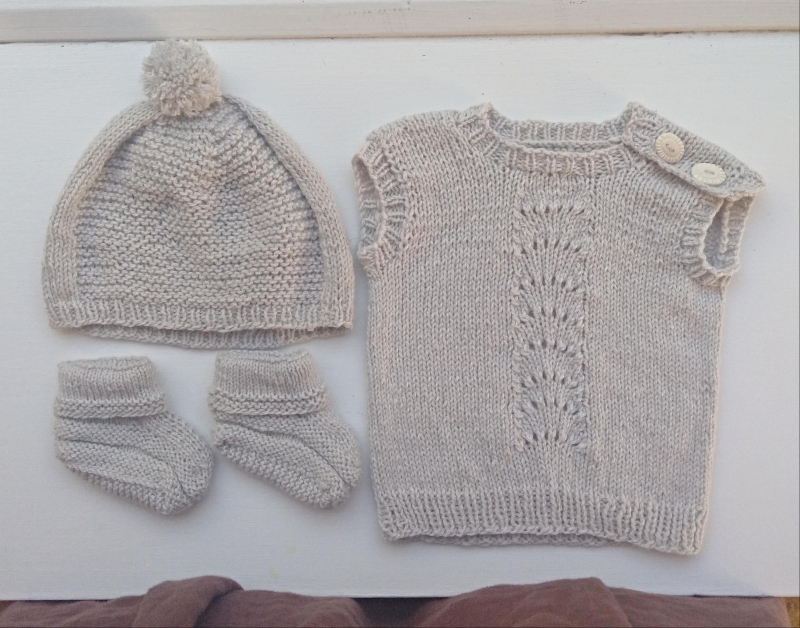
    My youngest sister is expecting a baby very soon. Happy days! I had to break out the baby knits, of course. I made a wee set for my niece-to-be from a full skein of BC Garn Biobalance yarn, which is a blend of cotton and merino. Should be nice for her early spring and early summer days. For the hat, I used the pattern 'barley light' and the booties are 'Hodge' – both free patterns on Ravelry. I made up the vest pattern myself, inspired by the 'seashell mitts' design I published earlier this year. More details for this little set can be found here on my Ravelry page.

    + + + + + + + +

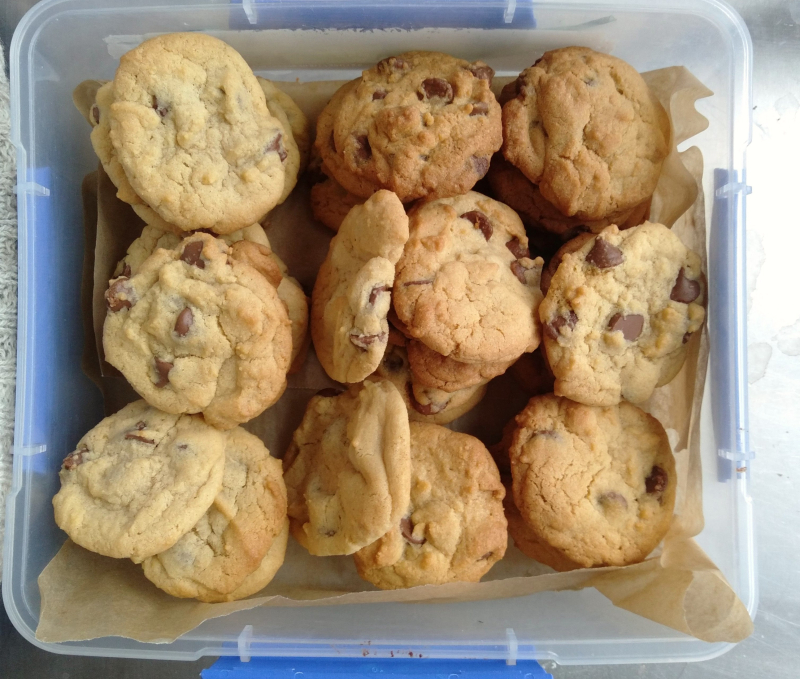
    Finally, because I think we can all do with some more softness and sweetness in our lives, I'm drawing your attention to this favourite chocolate chip cookie recipe. I made a box of these for a friend, and thought you might like to do the same for someone…? Or yourself.

    Take good care, my friends,

    M XX


  • Lyall bay dogs
    Kowhai 3

    Kowhai 2
    Kowhai 1
    HelleboresVertices 4
    Vertices 3

    Hello there! 
    It's been a while since my last post. I realised my fingers have been busy making things but I haven't been good at sharing them here on the blog. I don't like to be flippant about lockdowns because they're so hard on so many people. But one silver lining to our recent one was a bit extra time to work on projects.

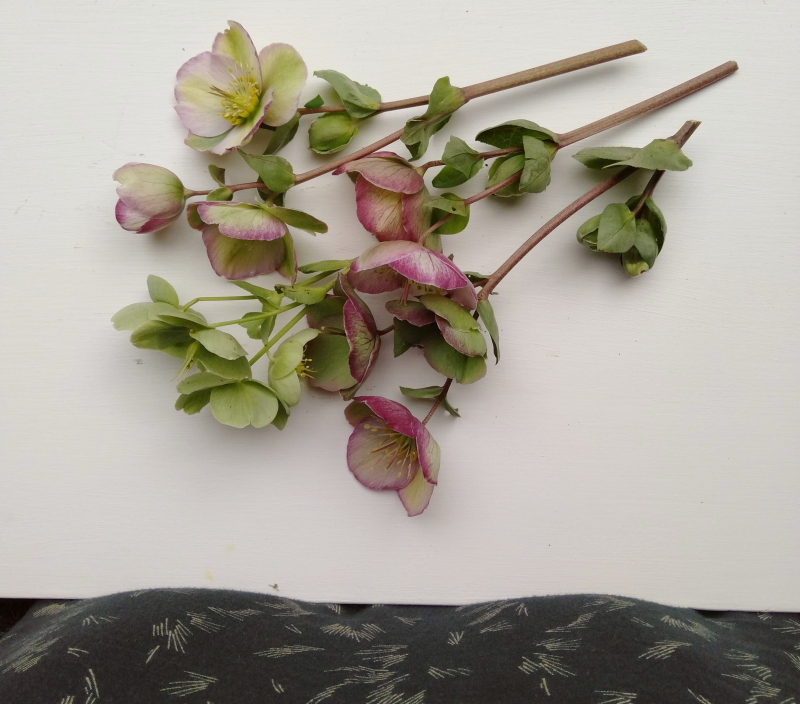
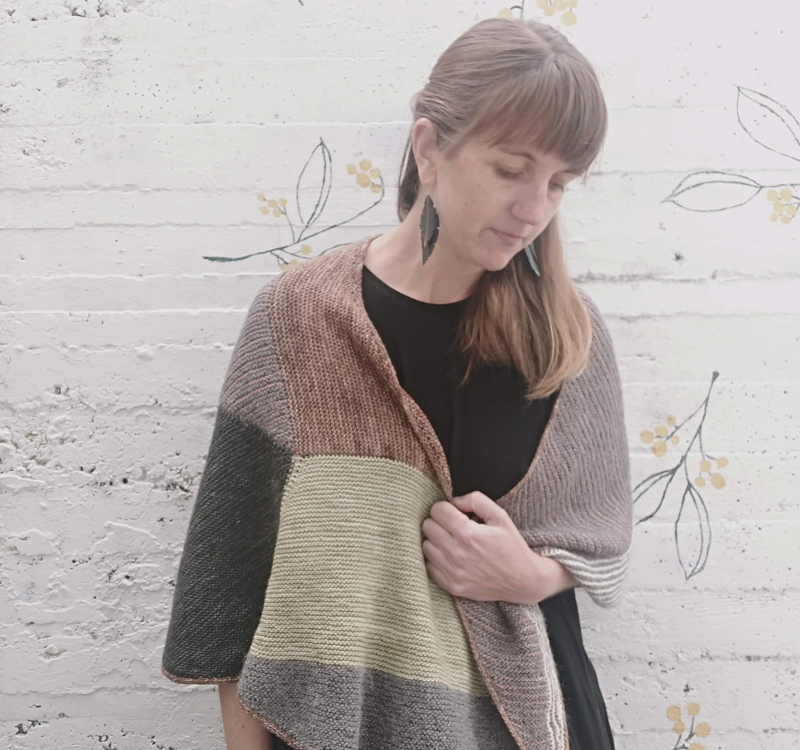
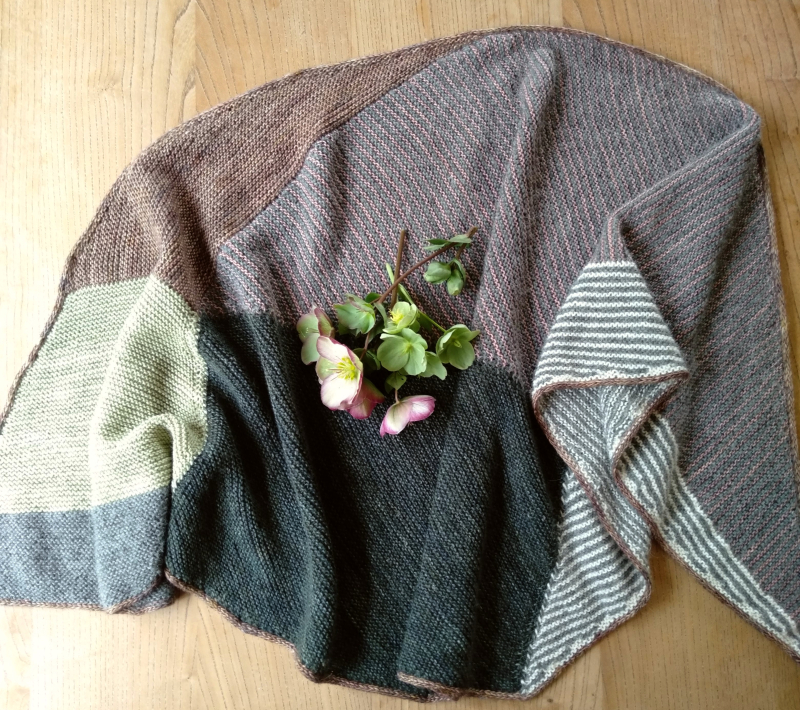
    In my last post I said I'd share my finished Vertices Unite shawl – and I'm happy to report it's already had a lot of wear! It's the perfect size and shape, I do love that pattern. I was quite inspired by hellebores when making this – we have a few different varieties in the garden and I tried to emulate their colour scheme. For more details about the yarns I used, and a link to the pattern, my Ravelry project page is here.

    X X X X X X X X X X X X

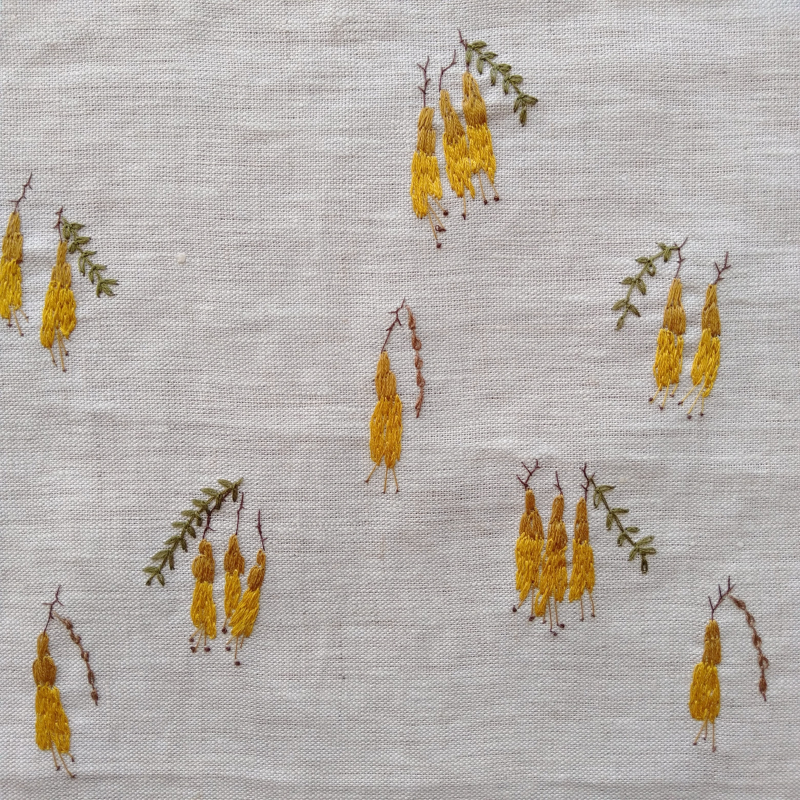
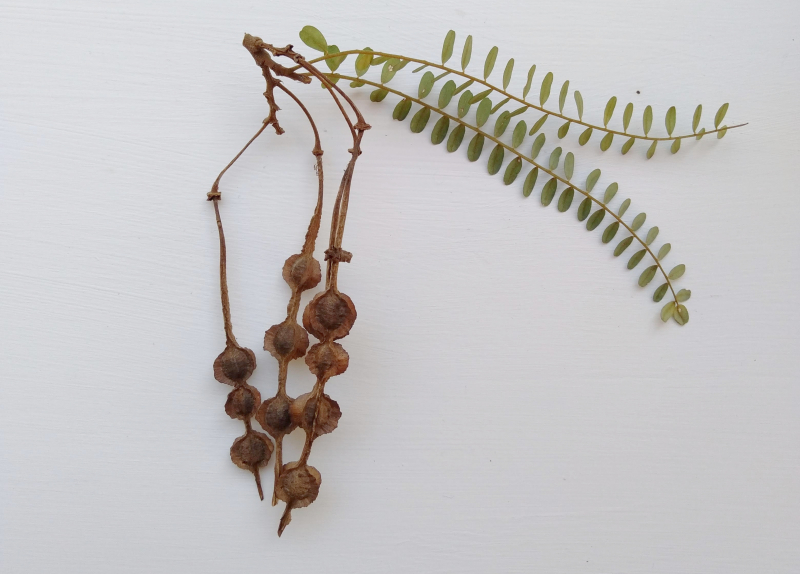
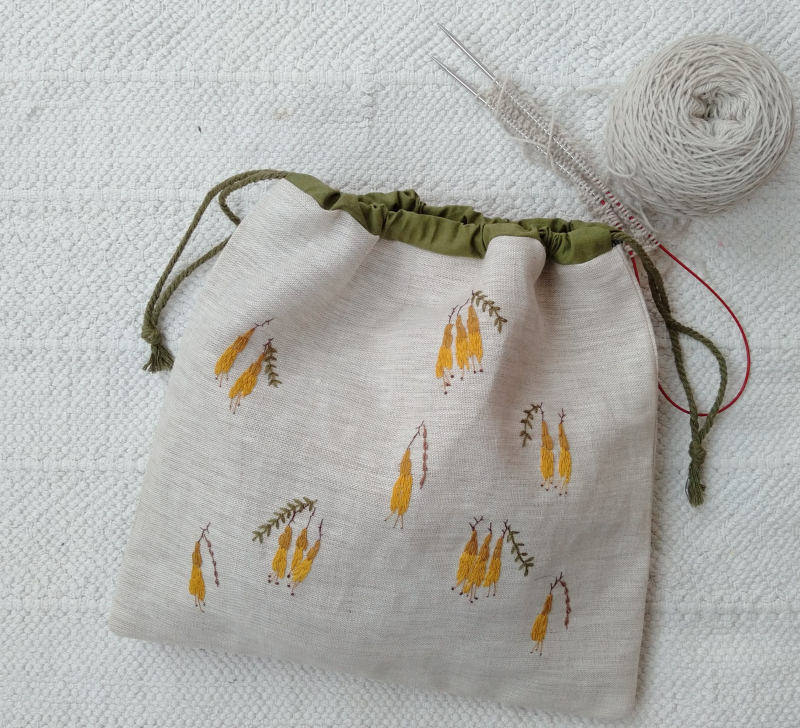
    As well as hellebores, this time of year in Wellington is all about the glorious flowering kōwhai tree. We have one in our garden and there are lots to be seen on the trip to work, too. I've always loved the outrageously cheerful nature of those flowers, hanging down like fancy earrings. I embroidered some and sewed the piece into a knitting project bag for a sweet friend of mine. 

    = = = = = = = = = = = = =

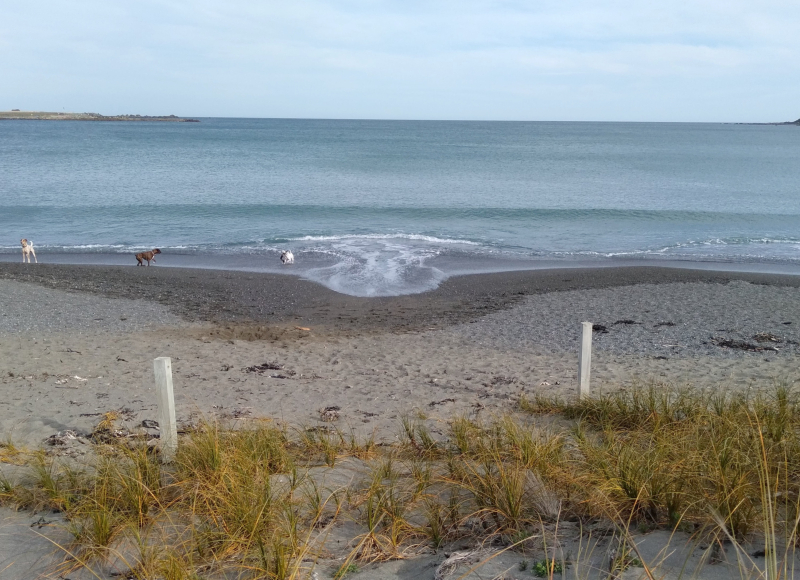
    And the first photo in this post was taken on our first walk to the beach after a few weeks of not leaving our neighbourhood. The utter joy of those dogs meeting up wit their friends, splashing in the shallows and mucking around with sticks! I didn't want to forget them.

    X X X X X X X X X X X X

  • Morel 2

    Morel 1

    Mushrooms
    Marmalade

    Vertices 2

    Kia ora, hello! I hope you are keeping well and safe. Crazy, heavy times in the world, eh?

    The most I can offer with this blog post is some distraction in the form of handmade items and ideas… thank you for tuning in regardless. I appreciate you, dear reader!

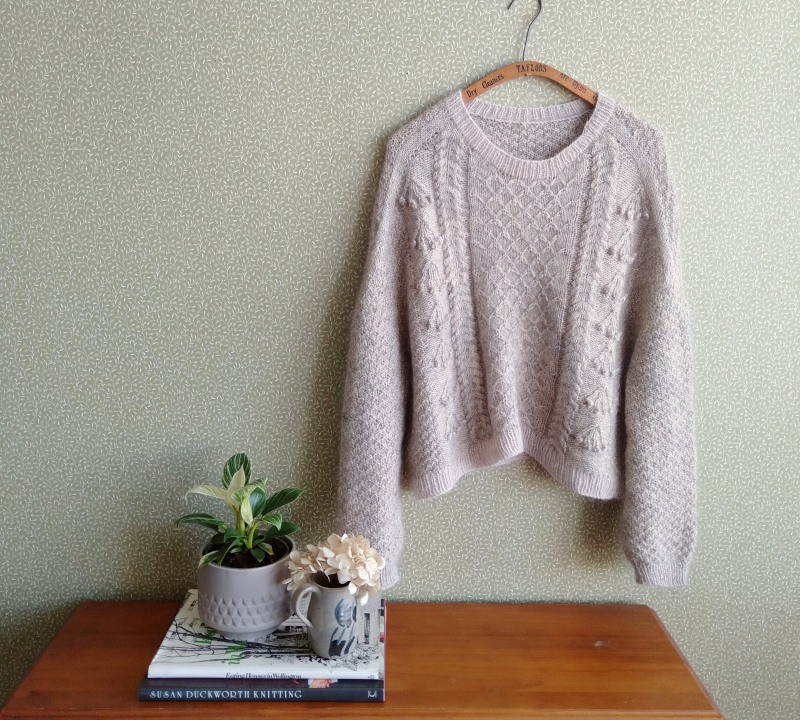
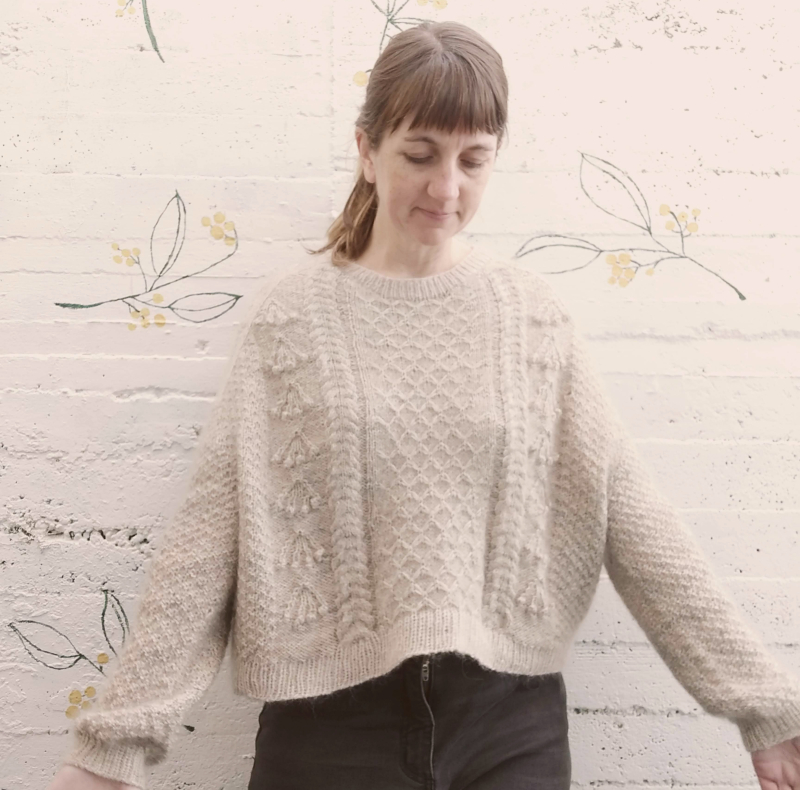
    The first thing I have to show you is a finished jumper – my late-winter pride and joy! The pattern is called the Morel Sweater, and it's by Danish designer Lærke Bishop-Larsen (FiberTales). I got drawn in to knit it the moment I first saw Lærke's version on Instagram – that honeycomb texture, the dropped sleeves and the little cherries running down each side! The actual knitting ended up taking me most of the winter. But now it's done I couldn't be happier – the fit is great and it's very lightweight yet cosy. I'm sure I'll get lots of wear out of it.

    The yarn I used was hand-dyed mohair from Nikki (Dark Harbour Yarn), which I held together with some plain Holst 4ply (Danish pure wool) in the Almond colourway. My notes, including a couple of modifications and links to the yarns, can be found here on my Ravelry page.

    + + + + + + + + +

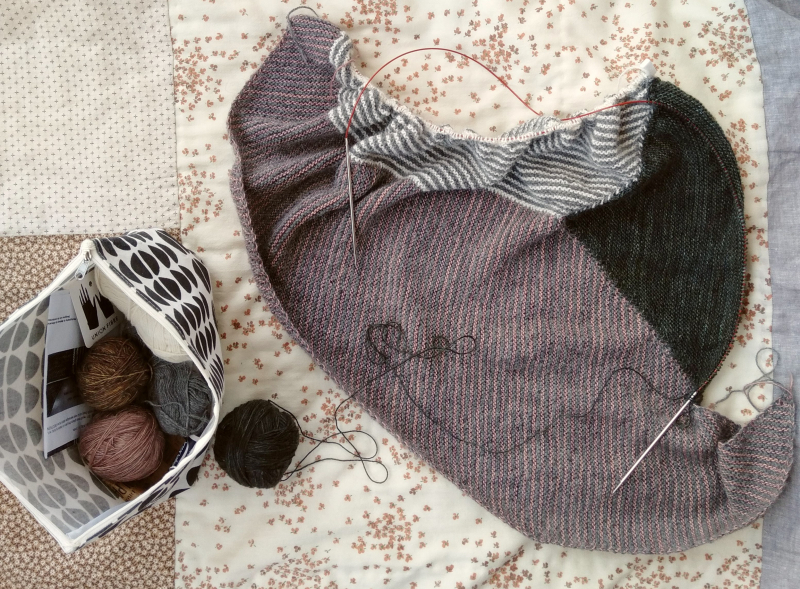
    Since finishing the Morel, I've had a bit of time to get cracking on a shawl – I'm making another (my third) Vertices Unite by Stephen West. (Ravelry notes here). Because we're in lockdown and not able to receive mail, I've had to use what I have – but that's actually been great. I have a couple more colours to choose and hopefully, I can show you my finished shawl in the next post!

    = = = = = = = = =
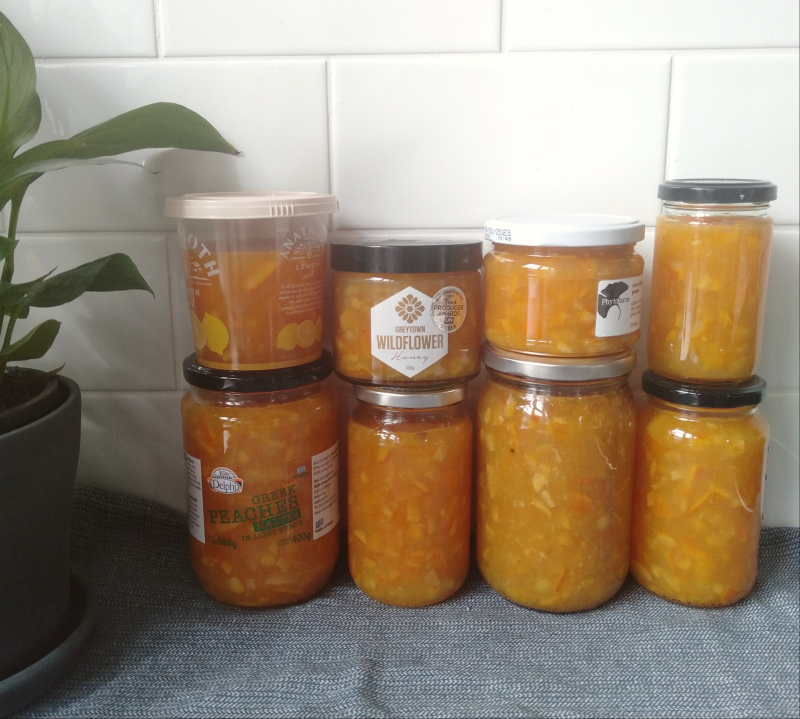
    In other making-news, I made a huge batch of orange marmalade (using this simple recipe) and have already been able to gift a few jars to friends (and eat a bit on my morning toast, too!) 

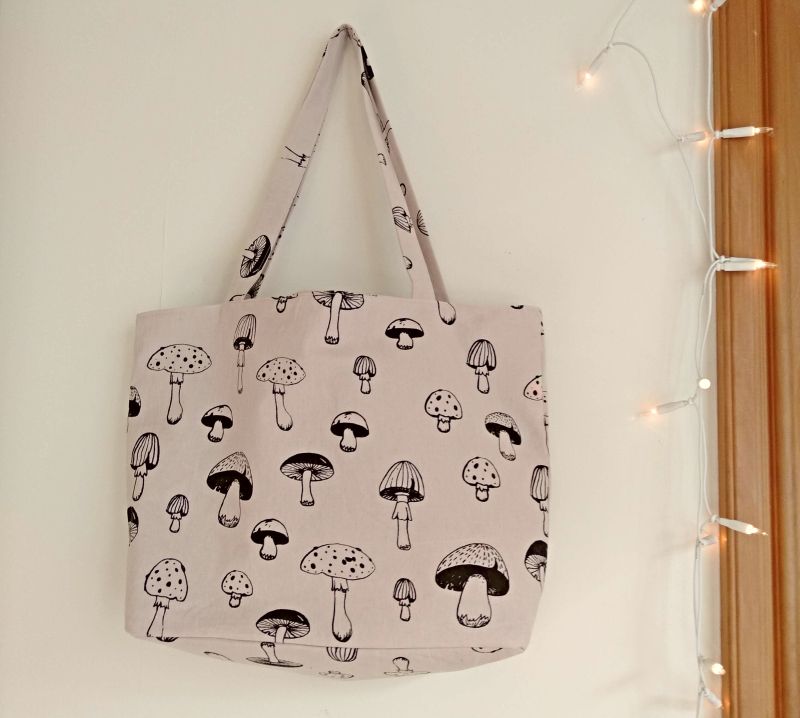
    And Keira needed a new tote bag – I made her a mushroom one using this pattern – it's been on my blog for years but is still quite a handy size, I find! I only wish I'd added in some pockets to this mushroomy tote – next time I will.

    = = = = = = = = = 

    So how are you doing, lovely ones? I'd love to know what you're working on or enjoying reading these days. Take good care and see youa gain soon,

    Melissa

  • Summer embroidery

    Hataitai 3 green

    Lockdown knitting

    Apple custard cake

    Ribbed hat

    Hello! I hope you are very well, wherever you may be.

    It's been a little while (yet again…) but I thought I'd pop in to share some things I've been working on lately. This time of year is always busy, with work and other commitments. But as of yesterday many of us got some time in our days due to a nationwide Covid lockdown. My thought go out to everyone for whom this is really tough! It's not an easy time at all.

    I'm always so grateful for my craft (and supply-building tendencies haha) so I've found a little more time for making this week.

    I've been listening to the audiobook of Robert Macfarlane reading his recent book Landmarks. It's a beautiful work, filled with new and old ways of looking at and articulating the natural world.

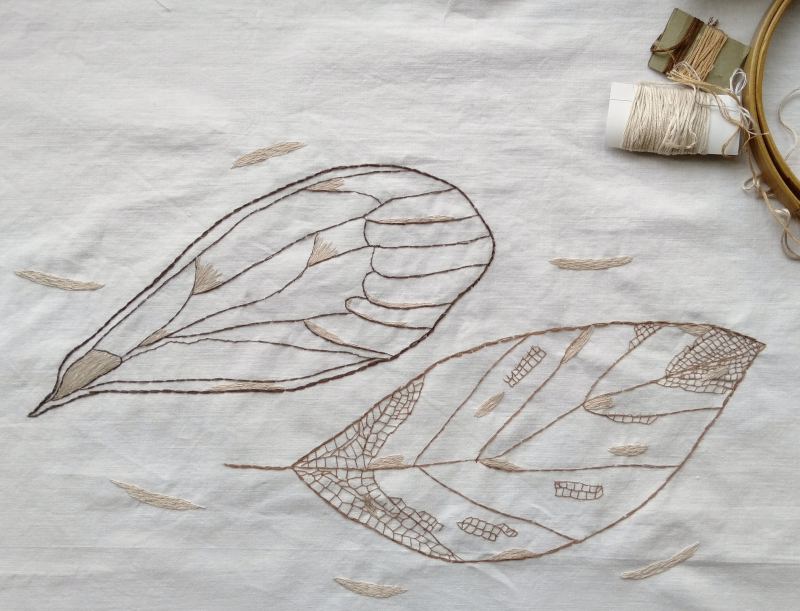
    Listening to him reading seemed like the perfect time to finish this embroidered piece I started in late summer, spurred on by the racket of cicadas coming through the window. 
    For this, I used some single strand hand-dyed thread and worked free-form on cotton fabric. I'm not sure what I'll do with this piece – maybe pop it in a frame? It measures about 40 x 20cms.

    Having a little more time for evening walks in the hills this week, I've started to get lots of new ideas for embroidered pieces, so I'm excited about that.

    Other projects on the needles include another (my third…) Vertices Unite shawl – you can see the stiped beginnings of this one in the third photo above. Here's a Ravelry link to my second finished version, which was a gift for my sister. It's such a fun knit.

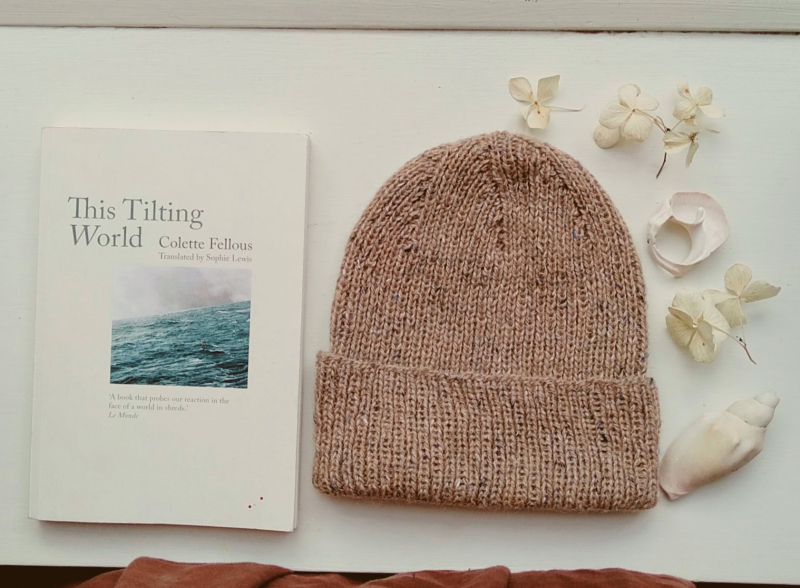
    I also made myself a hat for winter – a little late, as it was the fourth of these I knitted and all that rib is a bit tiresome! This one is in the loveliest clay-pink shade of Rowan Felted Tweed and I used the Purl Soho Classic Ribbed Hat (free) pattern, found here.

    = = = = = = = = = = = =

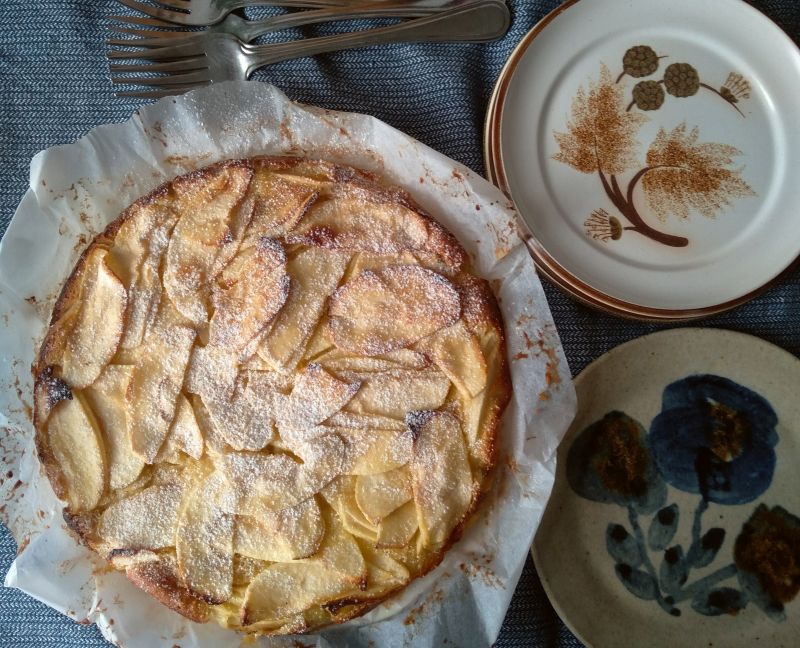
    Do you like the sound of apple custard cake? I did, so when I found an Annabel Langbein recipe in the newspaper for one I decided to give it a whirl. It was a hit, and didn't take any unusual or special ingredients – I love recipes like that. The resulting cake was almost like a pudding – soft and vanilla-flavoured. I served it up with plain unsweetened yoghurt but it would also be pretty good with icecream. It looks like the recipe is behind a paywall unfortunately but this one is very similar, if not the same.

    = = = = = = = = = = = =

    Sending you lots of love, take good care,

    Melissa


  • July3
    July2
    July4Rainbow winter

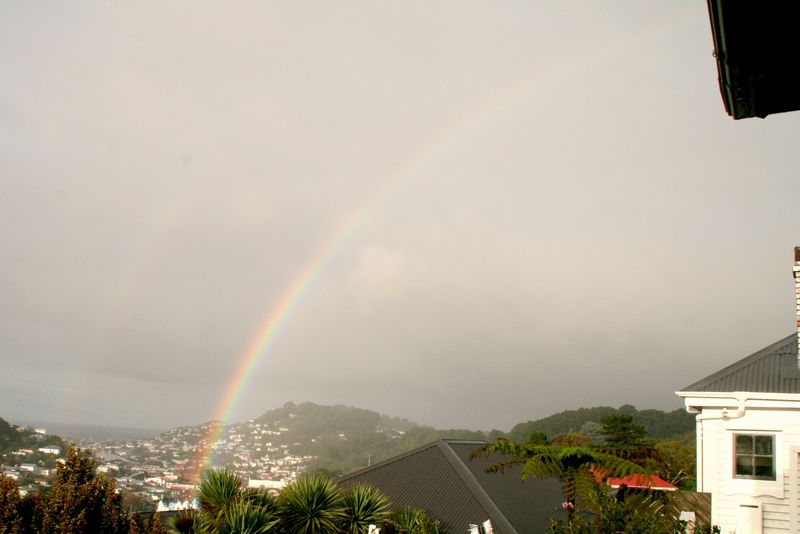
    I've not written here in a while – I'm going to blame the darker and shorter days! It is nice to be back today, though. I wanted to show you a bright colourful winter rainbow.

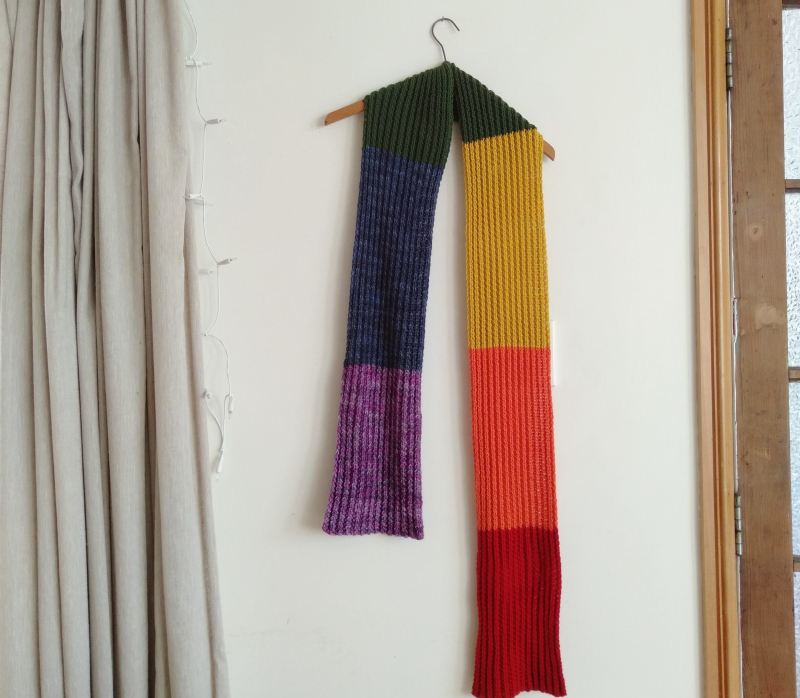
    I've recently had the joy of getting to know an older woman through my work – she's a playwright and poet and we're working on a project together. Her deteriorating eyesight makes knitting impossible for her now, so I offered to knit her something for the winter. She asked for a rainbow scarf! 

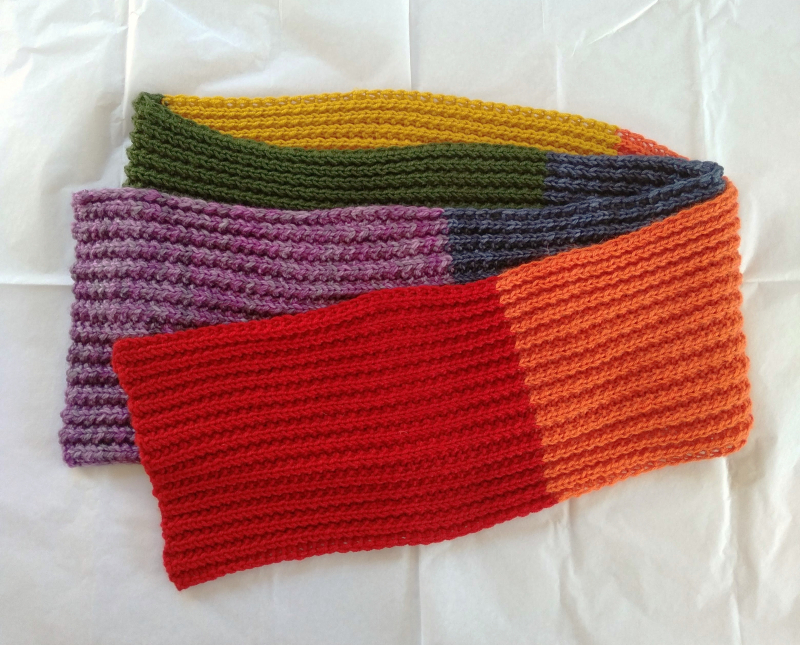
    It's fun to make something upon request, especially when it's something I wouldn't have done otherwise. For R's scarf, I used a mix of DK merino yarns: the red, orange, yellow and green are merino-alpaca blends I found at the local craft store. The purple and blue yarns were handspun by my Mum.

    I wanted a squishy texture to my scarf, so used this Mistake Rib pattern by Purl Soho which I recommend! The finished piece measured about 7" X 74". You can see more of my notes here on Ravelry.

    One of my favourite Sam Hunt poems is called 'Rainbows (and a promise of snow)'. I first got to know it by listening to the album the poet recorded with Dunedin band The Heavy Eights (you can hear this particular track here).

    The poem is filled up with friendly idiom, the kind of things men say to each other, but it also somehow gives a real feeling of a New Zealand winter; almost comes with the smell of woodsmoke. The first half of the poem is: 

    Winter means one side or other of

    the shortest day. Our birthdays both

    are on that good side, friend, of

    solstice. Winter is a warm hearth;

    rainbows, and a promise of snow.

    Or so life’s been for me this last

    half-life of sixteen years. Days go

    so very slow they say, so fast.

    It matters not. A good mate dies,

    another goes abroad or mad.

    It matters neither way. What does,

    what always will, is that we load

    the fire high with logs. She’s a

    winter this! bull-seals barking in the bay.

    If she don’t snow soon, I tell you

    friend, she’s never going to.

    – Sam Hunt 

    To find the rest of the poem, you can click here to read the whole book it's from. It's on page 10.

    = = = = = = = = = = = = = =