tiny happy

making journal

  • DSCF0282

    DSCF3114

    DSCF9720

    IMG_0053

    A lot of plant-life, it would appear. Here are some painted things made in other Augusts (following on from yesterday's post.) 

    August garden ceramics. Made using ceramic ink and some old Crown Lynn cups.

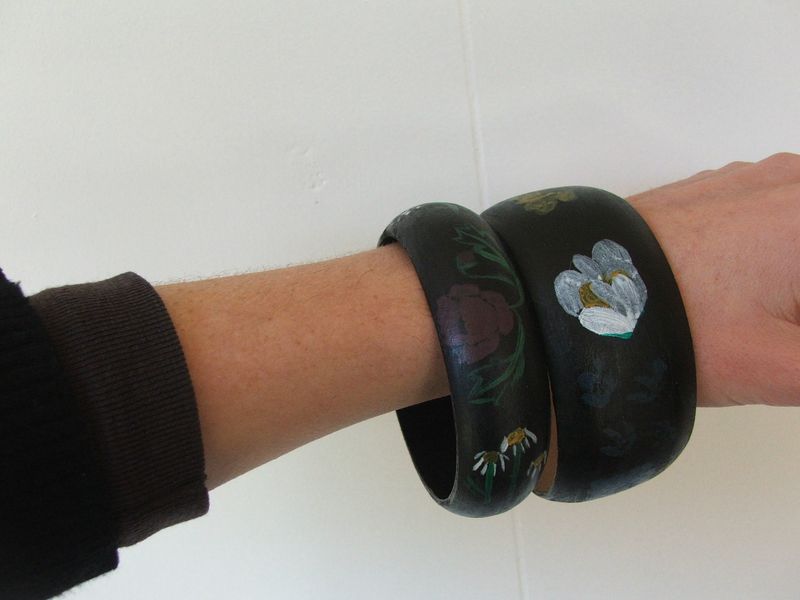
    – painted wooden bangles. I loved making these, and I'm remembering I have more plain ones tucked away somewhere waiting to be jazzed up.

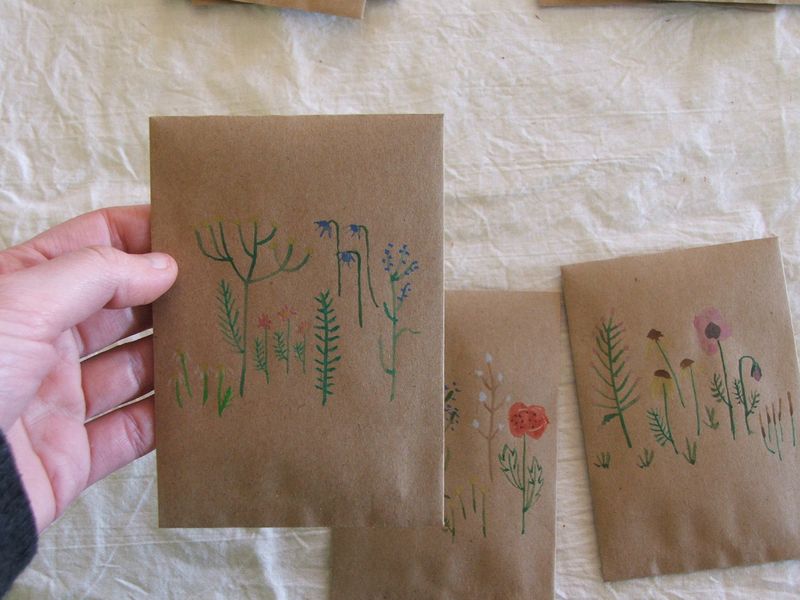
    – seed packets. I made these to give away to friends- this was when I was doing a lot of gardening and wanting to share the seeds of my super-grow poppies and other rampant plants.

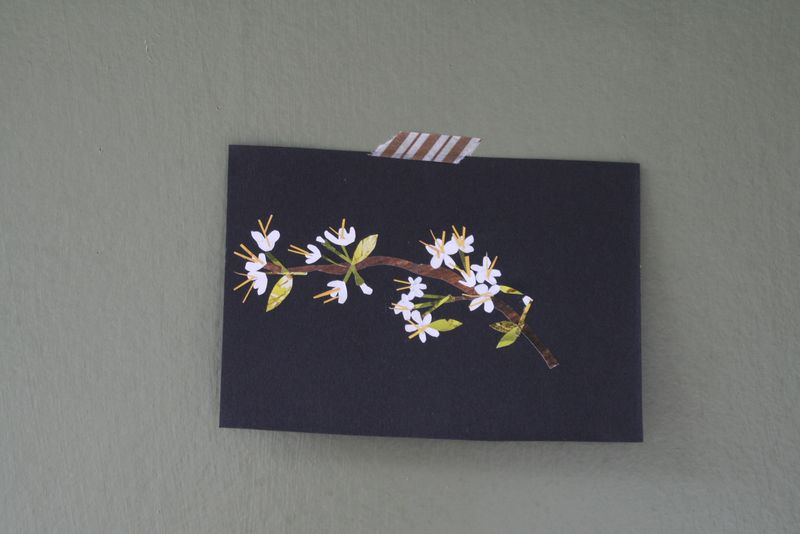
    – I got a bit obsessed with paper cuts/collages last August, after reading about Mary Delaney. This is the first one I made.

    What are you working on these days? 

  • DSCF2709

    Jasmine

    DSCF2535

    DSCF3184
    I'm blatantly mining my own blog for photos, again. And I've found so many that I am having two editions this week: this first is all about embroidery.

    Here is some hand stitching I did in Augusts past. I suppose this month is a good one for settling down and seeing through the end of winter, and it seems I did quite a bit of it in other winters. Not so many this August due to, you know, going to work in an office then coming home and feeling too lazy to pick up my threads. Bit sad, really.

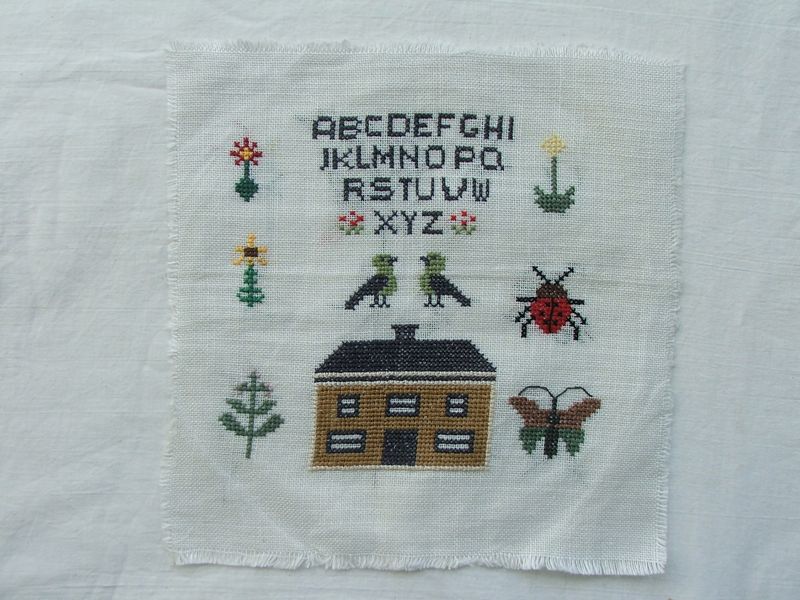
    – I crossed (haha) this sampler off the list a few years back- I do believe this was done while making my way through the boxed set of Outrageous Fortune. 

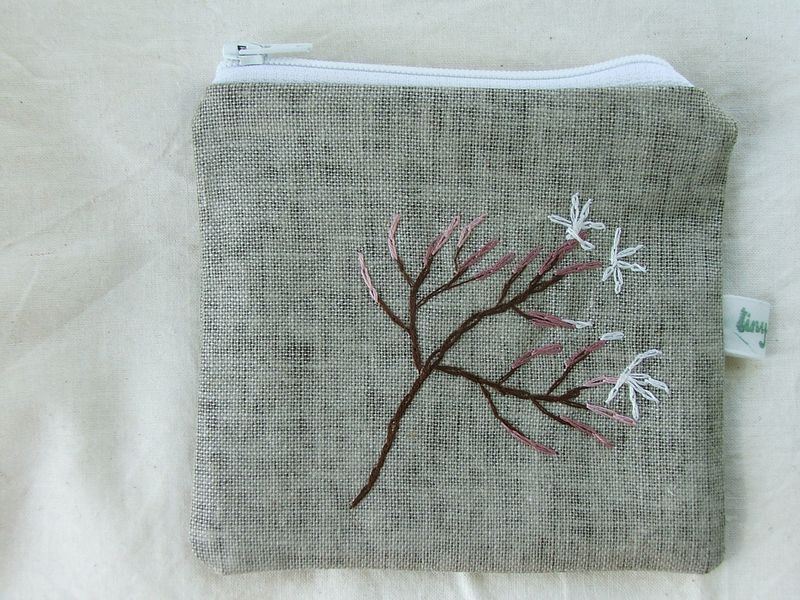
    a jasmine embroidery. Jasmine in August, really? Don't think I could grow it here through winter.

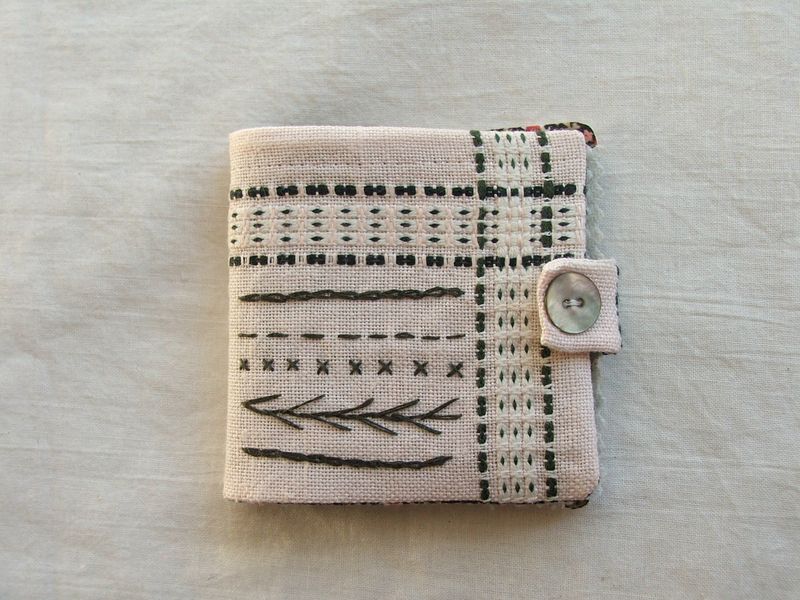
    – Can't remember why I made this needlebook now. But it was fun. Grey and pink belong together.

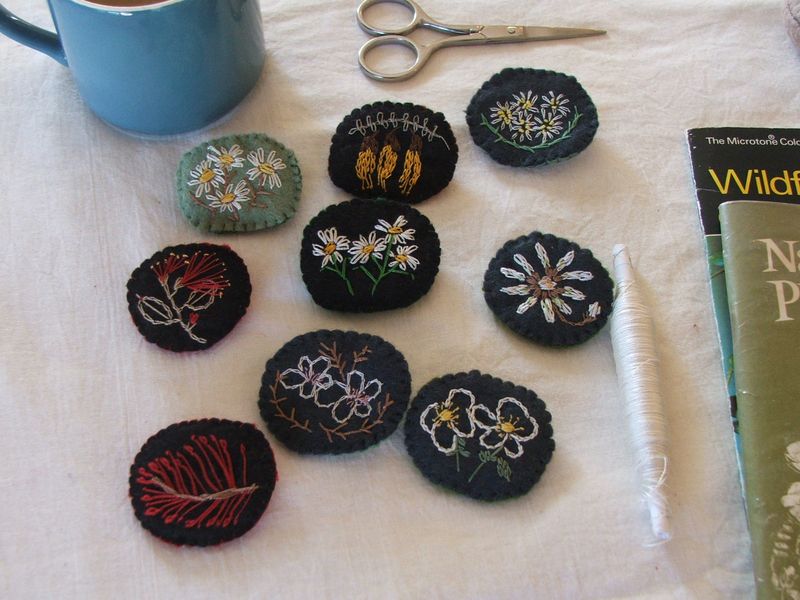
    – These are felt pins featuring different native NZ plants. Interesting to research and stitch. I think I made about 25 of these altogether. 

    Have a great week, dear readers.

  • Project bag - white background

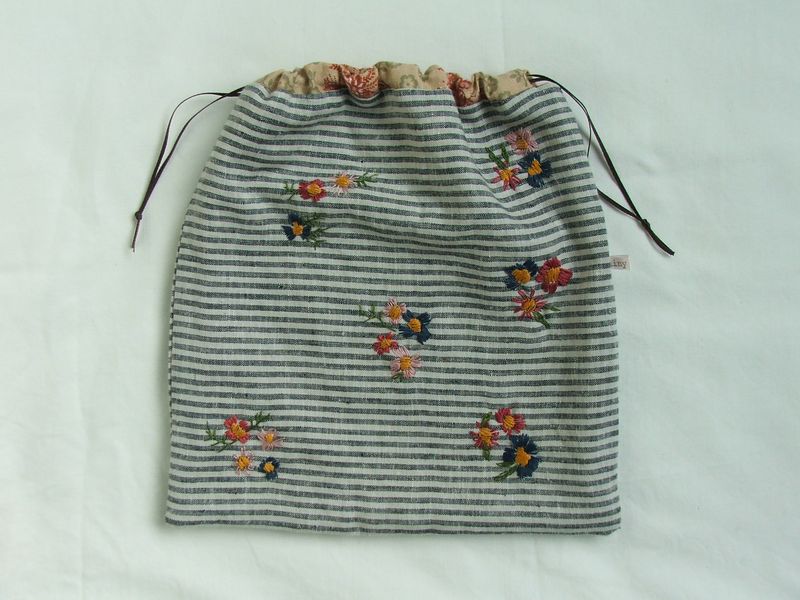
    For this week's pattern I'm revisiting number 17– embroidered coloured wildflowers on stripes. I've re-stitched the pattern to make this bag which is part of a very special giveaway over at Che and Fidel.

    Each of the teachers from The Craft Sessions has contributed something and you can find some neat stuff to win: a sewing book, beautiful handknits and artwork. And this hand-embroidered project bag from me.

    To enter, just head over to the blog post and leave a comment.

    I hope you have a lovely weekend, whatever you get up to. (I think we'll be freshening up our emergency kit- you too?)

  • Market bag pattern
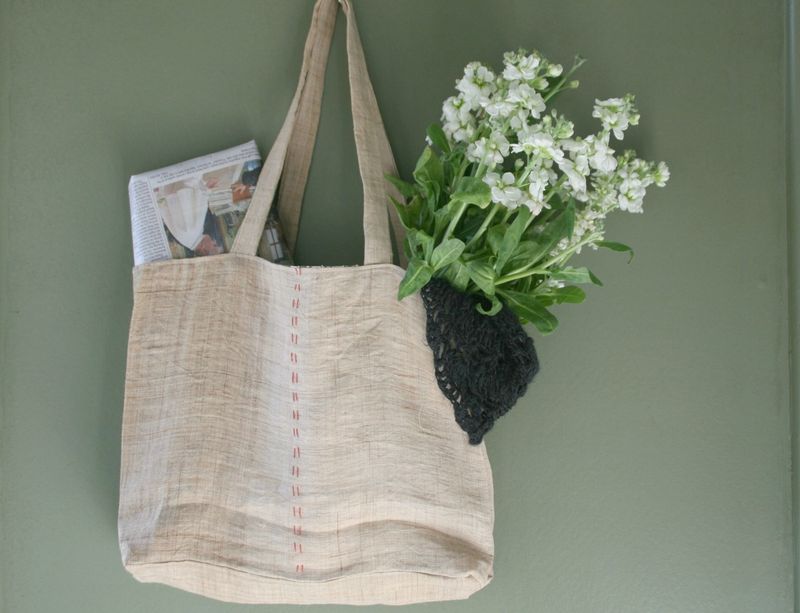
    I've been making a few of these market bags lately. This design has a flat bottom and can fit lots of shopping or library books inside. This particular version is made from linen I found at a flea market when we were living in Norway. All the way back in 2008! I knew it would come in handy one day. The sturdiness of the linen gives the bag a basket-like quality. I did a bit of simple hand-stitching on the front, and lined it in a red floral cotton.

    But you could use any fabric you like.

    Do you feel like making one too? Here's how:

    YOU WILL NEED:

    *strong linen or cotton (I used some strong hessian-type fabric that holds its shape well but keep in mind you could add interfacing to a floppier fabric)

    *cotton fabric for the lining

    *thread, scissors, sewing machine, iron, tape measure or ruler.

    CUTTING:

    *First, cut the outer bag pieces. You'll need two pieces measuring 32 cms X 47cms and one piece measuring 36 cms X 13cms.

    *Cut the handles from the same outer fabric: 2 pieces measuring 9 cms X 65cms

    *Cut pieces for the lining- two pieces measuring 32 cms X 47 cms and one piece measuring 36 cms X 13 cms.

     MAKE IT:

    * Make your handles by pressing in the edges of the strips about 1cm. Then fold lengthwise, press again and stitch. Set aside.

    * To construct the bag outer: take the two rectangles you cut and sew down the shorter sides, right sides together.

    * Now, join the base to the bag sides. Take the smaller rectangle piece, and with right sides together, centre the long edge of it along one of the bottom edges of the main section (there will be a gap on each side of around 5cms). Now sew this seam but start a few cms in from the edge, and finish your seam a few cms before you reach the end of it. Repeat with the other side of the bottom panel.
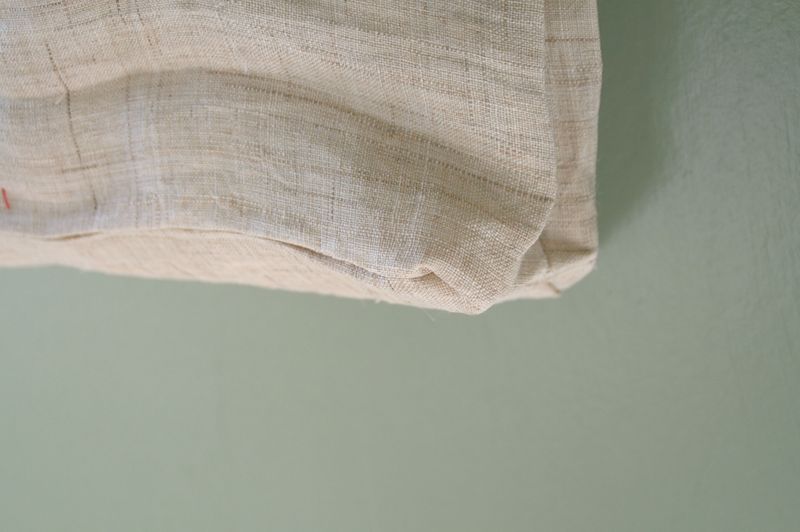
    Market bag base
    * Attach the short edges of the bottom panel to the remaining part of the bag. Hold the short edge towards you, and match it to the bag side. Sew along this seam, then repeat on the other side. Turn the finished bag outer right-side out and press to get everything in place. (photo above shows finished base)

    * Repeat the same process to make the lining. Keep the finished lining turned inside-out (no need to press it just yet.)

    * To sew the two pieces together, make sure the bag is right-side out and place inside the lining piece. (Their right sides will be facing each other.) Pin them together around the top edge, making sure the seams are lined up. Take one of the bag handles and sandwich it between the lining and outer bag, with the short ends of the handles sticking out the top of the sandwich a little. I generally leave about 10 cms on each side of the handle from the bag edge. Repeat with the other handle, on the other side of the bag.

    * Sew around the top of the bag sandwich. Leave a gap between one set of handles. Then turn your bag inside-out through this gap, then stitch all around the top edge, closing the gap as you go.

    *You could also fit a piece of cardboard into the base if you like, and press folds into the sides of your bag to give it shape.

  • IMG_0161

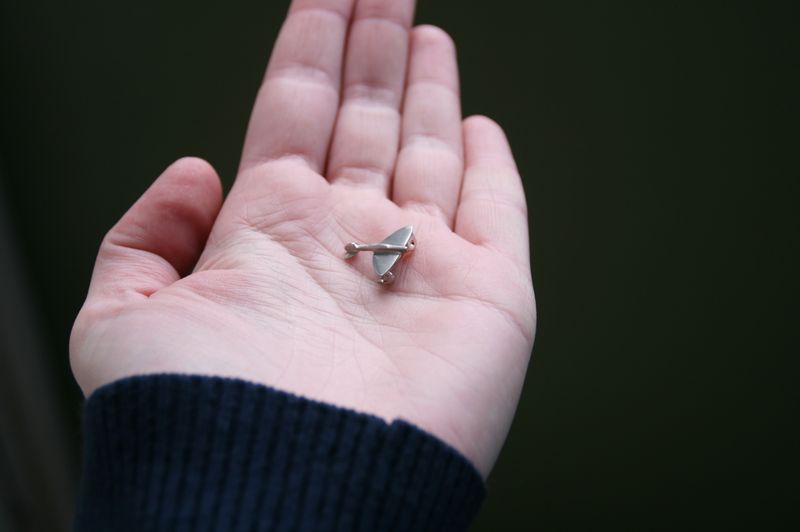
    Meet my miniature silver spitfire. It's a beautiful little brooch handmade by Martin, who lives in Nelson. After I delivered my Pecha Kucha presentation last month, he emailed to say he likes to send one of these tiny planes to one speaker after each PK evening. I am most honoured to be the recipient this time and my plane has flown with me to work on my favourite blue cardigan quite a few times already.

    The special thing about this spitfire is that it was made entirely from a NZ three pence coin and inspired by Martin's grandfather who, as a 15-year old boy in wartime England, fashioned similar little spitfires from coins. He did this in tea breaks while building real spitfires for the RAF in a factory near Swindon, where he also happened to meet Martin's grandmother. 

    So the silver spitfire looms large in the lore of Martin's family, and I really like having a miniature version accompany me on my daily travels.

  • Earth 1

    Next Stop Earth, 76 Constable St, Newtown, Wellington

    : : : : : : : : : :

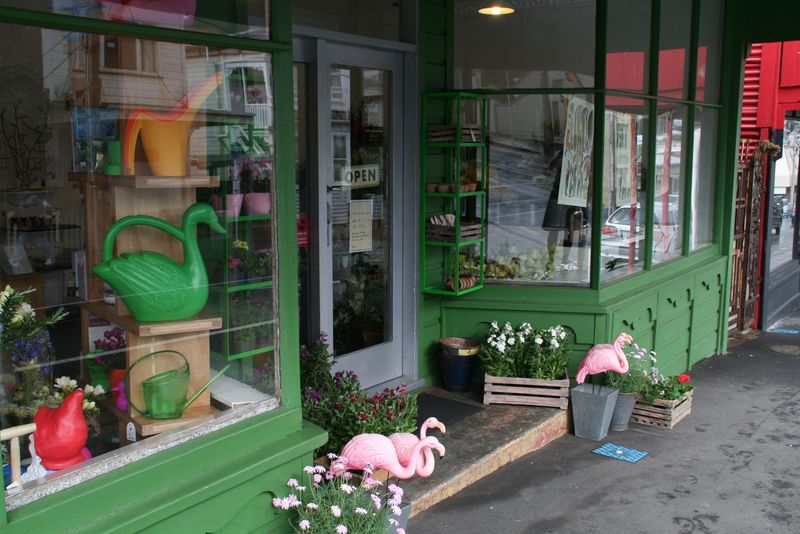
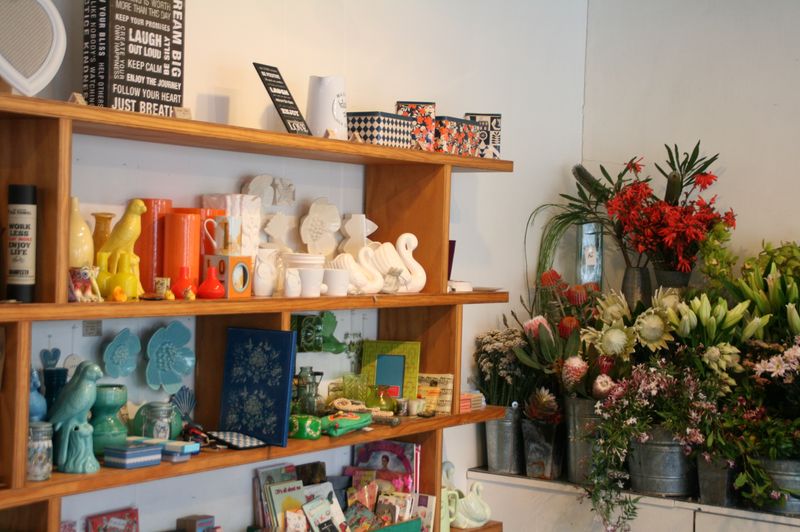
    This little green shop is around the corner from my house and I visit regularly to buy flowers, especially during winter. Next Stop Earth is run by Jeannie (wish I had remembered to take a photo of her behind her workbench, secateurs in hand) and is located on the edge of Newtown. 

    It's always light and airy and smells like freesias and lavender soap. It's really the nicest place to be, Wednesday to Saturday. 

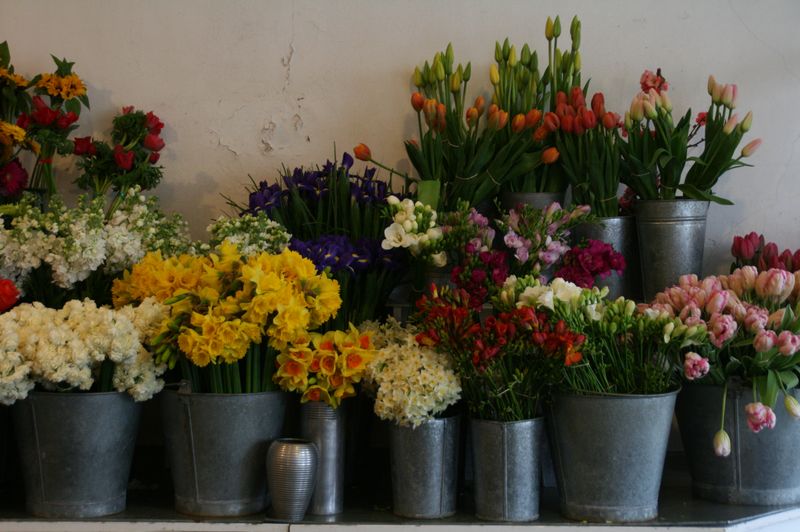
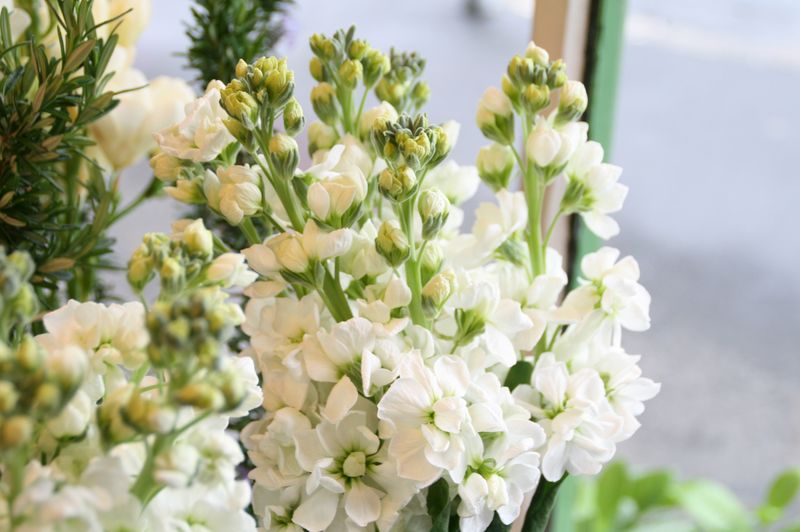
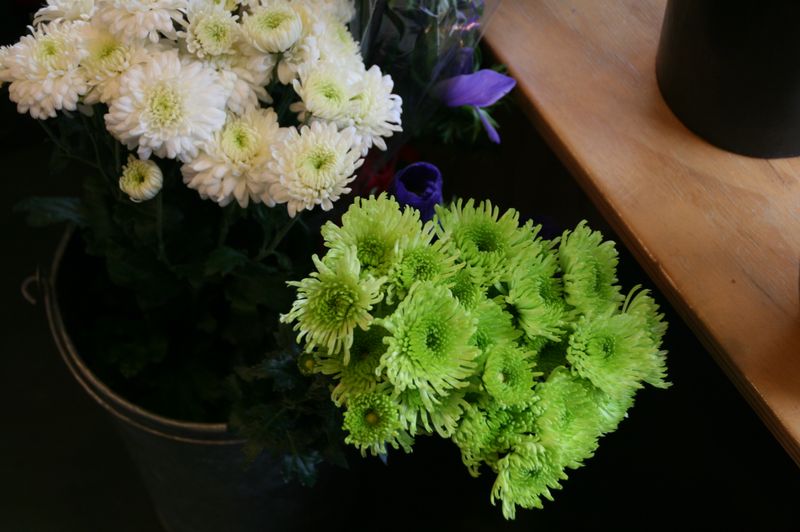
    Along one wall, there are metal buckets containing flowers and other greenery. You can choose a bunch of something (there's plenty of daphne, right now) or ask Jeannie to make up a mixture of various stems. She's never too busy to help and always makes a beautiful bouquet.

    Next Stop Earth is filled with botanical-themed gifts: notebooks, ceramics, cards, jewellery, soap and handcream: lovely things to wrap and give. Or buy for yourself, as the case may be. 

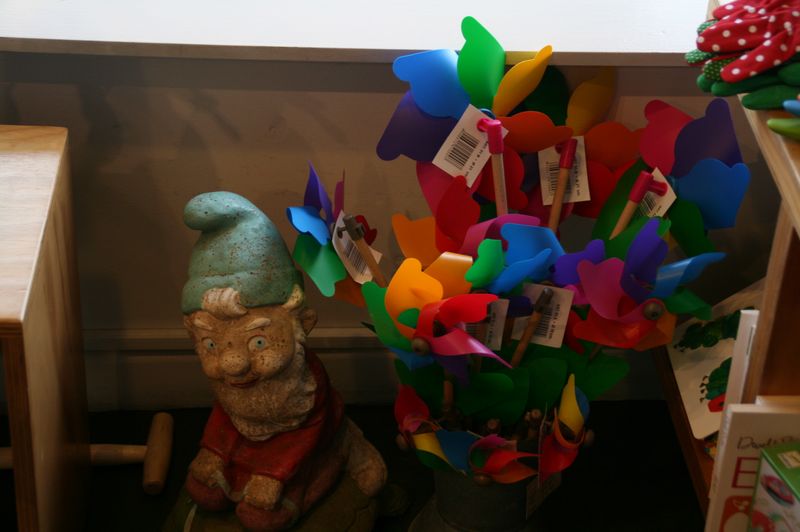
    There are also children's things with a gardeny theme, like seeds and watering cans, windmills and gnomes. And don't forget the pink flamingoes for the flowerbed.

    I visited on a grey and rainy morning last week, and Jeannie was busy making up bouquets for local cafes and regular customers. But she kindly answered a few questions for me:

    Earth 2

    How and when did you start NSE? I've been here now for 16 years, in this same building. I was inspired to start the shop when I couldn't find any gardening tools for my small niece, so I stocked those products as well as about 5 buckets of fresh flowers. It's just grown from there.

    Earth 6

    I noticed you don't have a website where people can order bouquets. How do people let you know what they would like? Regular customers just come by and choose their flowers, or they ring and I make up something I know they'll like. We have a facebook page and people often contact me through that.

    Earth 4 (2)

    What's the busiest time of year for you? It would have to be Christmas- I have regular customers who like to do their gift shopping here and escape the central city in December.

    Earth 3

    Do you sometimes dream about making up bunches of flowers? No, but sometimes the smell of eucalyptus on my hands wakes me up in the night!

    Earth 5

    Thank you Jeannie, and see you again soon.

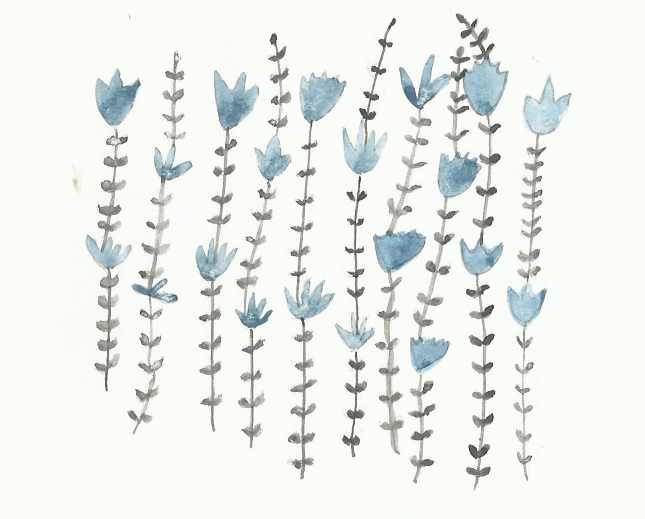
  • Pattern aug 9I've now made 20 of these Friday patterns, it would seem. This one is a watercolour design inspired by a trip I took yesterday to a flower shop. There were tulips and eucalyptus stems in metal buckets on a table. I have completely stylised both of these delicate plants, but the contrast of their shapes appealed to me.

    I hope you've had a good week. We're rattling through August already- amazing! I'm looking forward to warmer and lighter days ahead.

    If you're in need of something inspirational today, a friend recently linked to this: George Saunders' advice to graduates. It's about kindness. It's really good.

    p.s. maybe see you at the doll auction in an hour or so?


  • Doll1

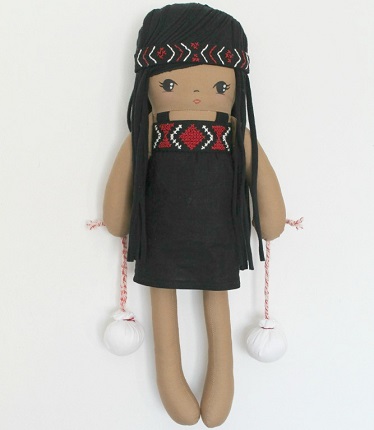
    Do you know Dee? She makes beautiful textile dolls by hand. A while back she invited me, along with some other crafters, to submit a design for her Winter Collab doll project. And this week she showed me the photos of the finished works. This beautiful girl was made by Dee using my design. The 'woven' panels in red and white were hand-embroidered by her. The detail and craftswomanship she put into this (miniature poi, even!) and the other dolls is really amazing. 

    Shortly before I drew up the idea, I had been to see Keira perform with her kapa haka group which was a rather proud moment. I've also never seen a handmade Maori doll, but wished I could have bought one for the kids when they were small. You can see more photos of my design and all the other beautiful dolls here.

    Dee is auctioning these collaboration dolls as an online event from Friday August 9th at 12pm (NZST), to Sunday August 11th, 12pm (NZST).

    I've got my eye on a couple of these beauties so will have my clicking finger at the ready.

  • IMG_0002

    IMG_0024

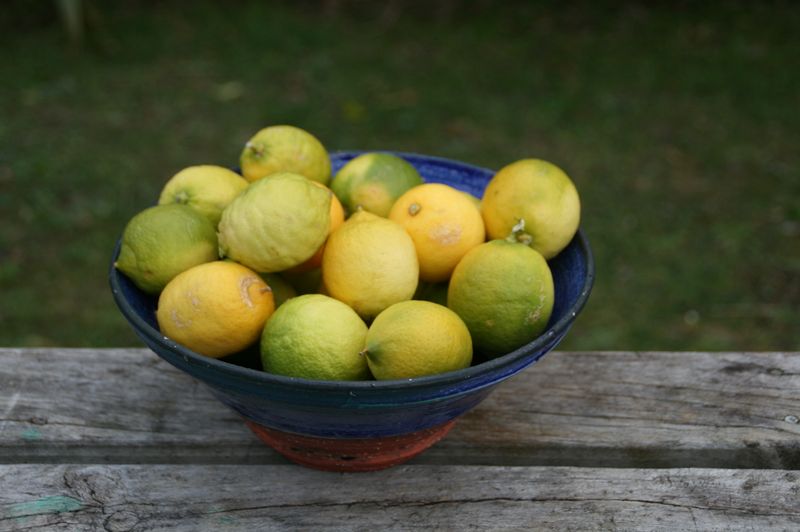
    I scored a bag of limes from my parent's orchard when I visited them last week. It's hard to imagine being able to afford a big stash of limes here in the city so I was pretty thrilled.

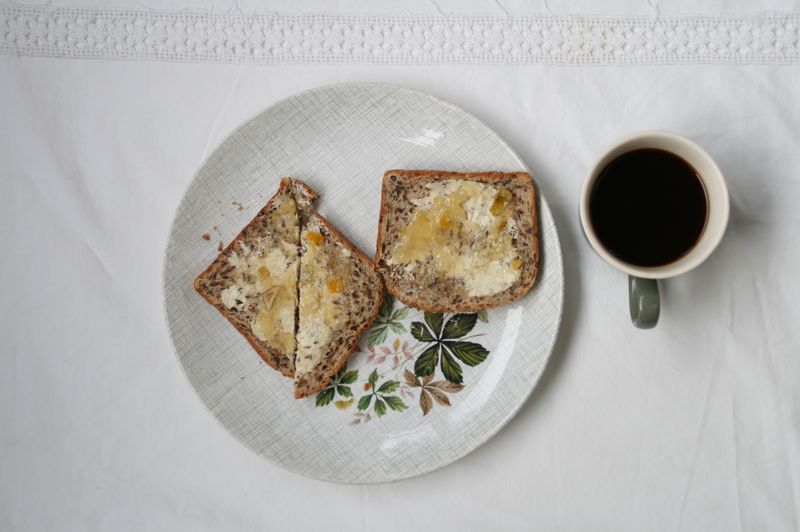
    I decided to make a batch of lime marmalade. Everyone knows this spread makes winter mornings slightly more bearable. So it only made sense to try making it myself.

    I must admit the whole process was a bit of a palaver because I couldn't find my preserving pot, anywhere, and I had to cook the marmalade in 2 batches. You could, of course, vary the quantity of limes or leave out the lemons entirely. (I put them in, pips and all, because I wanted the added power of pectin, and my limes didn't have any seeds. Alternatively, you could gather the seeds and place them inside a piece of muslin tied with string then remove once your marmalade has finished cooking.)

    This is my recipe (which made about 6-7 jars):

    LIME MARMALADE

    12 limes

    2 lemons 

    6 cups of water

    plain sugar

    1. Slice up the citrus as finely as you can and place in a large ceramic basin. Cover with the water. Leave overnight.

    2. The next day, pour mixture into a big pot and cook gently for about an hour, or until the fruit is very soft. Remove from heat and mash with a potato masher.

    3. Determine how many cups of mixture you have by measuring it back into the original bowl. Then tip it back into a large pot and add the same number of cups of sugar.

    4. Cook gently until the sugar is completely dissolved. Place a saucer into the freezer for later. Wash and dry jars and place them in a warm oven to sterilise.

    5. Bring the mixture to a rolling boil and cook for about 15 minutes or until it looks glossy and thick. Test for readiness by dropping a little mixture onto the cold saucer then returning it to the freezer. If it gels and forms a slight 'film' it is ready to bottle. If not, keep cooking for a bit longer.

    6. Carefully pour into hot jars and seal.  

  • Buttercups
    Thanks for entering yesterday's giveaway. I drew a winner randomly: Tammy. I'll email you today, to sort out delivery.

    And thank you to Happy Little Poppets.

    Have a great day.